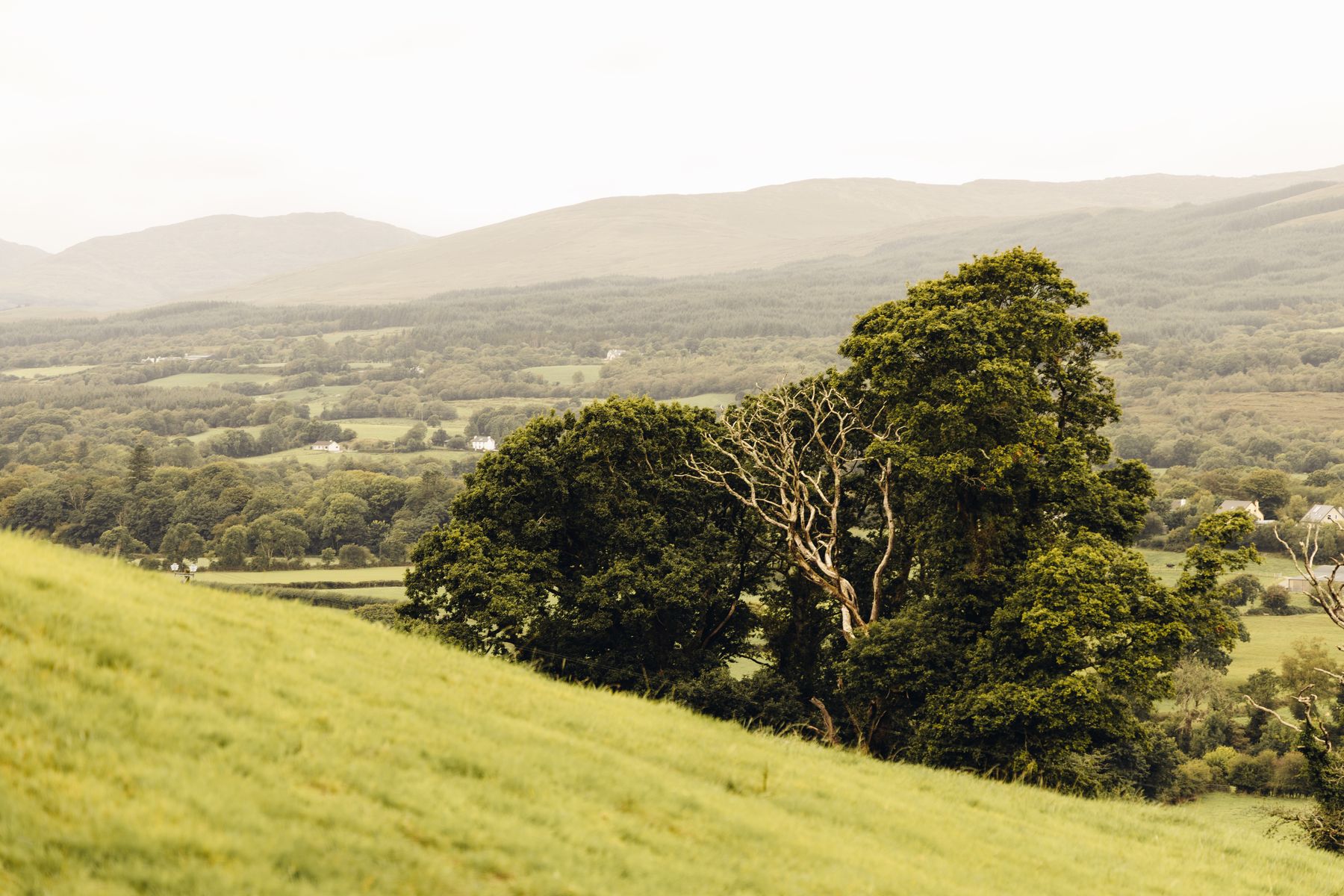
Kerry International Dark-Sky Reserve, one of only three Gold-tier reserves worldwide, spans 700 square kilometres of the Iveragh Peninsula. The Kerry Dark Sky Centre in Cahersiveen offers talks and telescope sessions, while the Skellig Michael viewing point provides a dramatic backdrop. Stay in Cahersiveen for amenities and a 10-minute drive to the reserve's core, or in Portmagee for harbour views and easy access to Valentia Island. Peak stargazing months are September to April, when clearer skies prevail. Summer brings midnight twilight, reducing visibility.
Kerry: Gold-Tier Darkness and Convenient Bases
For a balance of comfort and proximity, book a hotel in Cahersiveen or Kenmare; the latter is a 30-minute drive to the reserve's edge. Kenmare's Park Hotel and its peers offer mid-range to upscale options, while Cahersiveen has budget-friendly guesthouses. Avoid the temptation to stay in Killarney (45 minutes away) if stargazing is your priority, as light pollution and late-night returns dilute the experience.
Mayo and Connemara: Wild Atlantic Stargazing
Mayo Dark Sky Park, Ireland's first International Dark Sky Park, covers 150 square kilometres around Ballycroy and Nephin Beg. The visitor centre in Ballycroy runs regular astronomy events. Nearby, Achill Island offers expansive beaches and cliffs with minimal light pollution. Stay in Westport (40 minutes away) for a lively town with hotels like the Wyatt Hotel, or in Newport (20 minutes) for a quieter base. Mulranny provides a convenient midpoint with sea views and the Mulranny Park Hotel. The park is open year-round, but October to March offers the longest nights.
Connemara, though not formally designated, boasts exceptional dark skies, particularly around Clifden and Letterfrack. Clifden's Abbeyglen Castle Hotel and other hotels provide a comfortable base, while Letterfrack is close to Connemara National Park. For the best experience, book a hotel in Clifden and drive 15 minutes to the Sky Road for unobstructed views. Skip Galway city (1.5 hours away) unless you need urban amenities, as the journey eats into prime stargazing time.
Wicklow and the East: Accessible Darkness
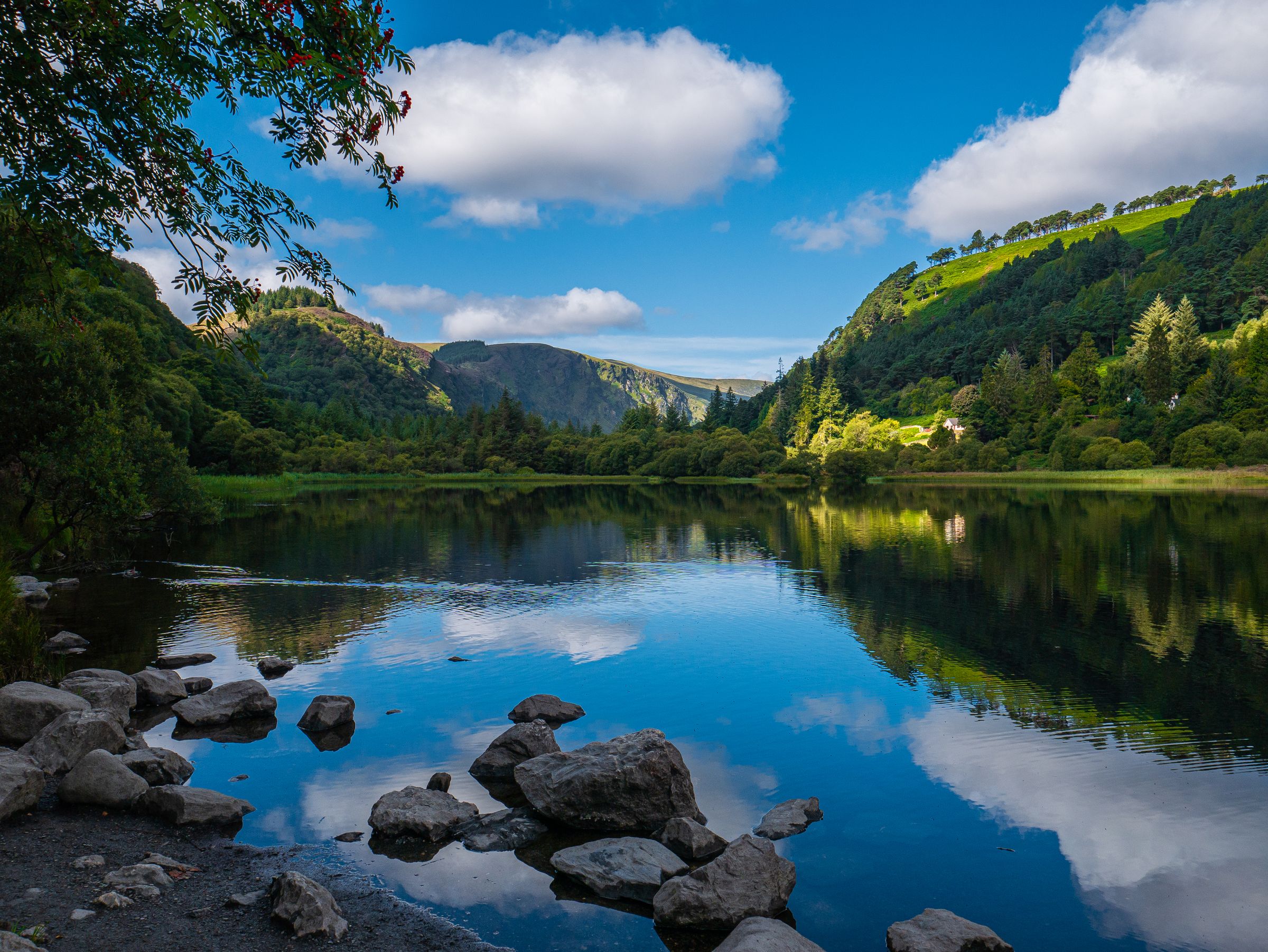
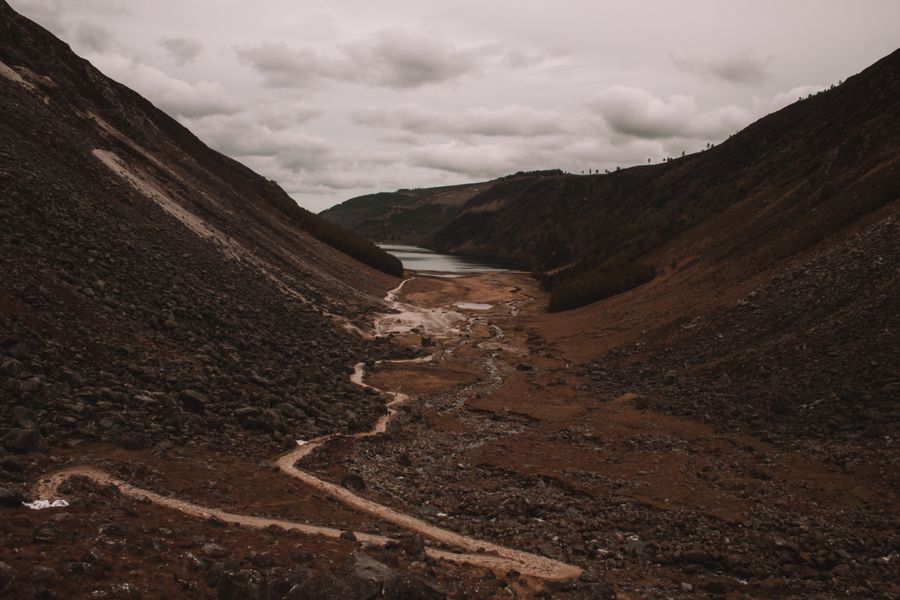
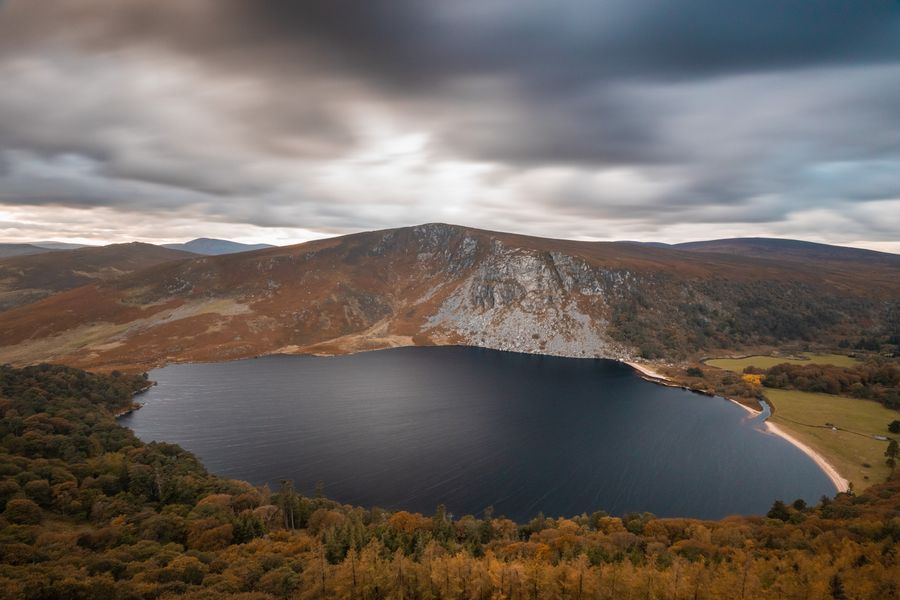
Wicklow Mountains National Park, just south of Dublin, has applied for Dark Sky status and offers convenient stargazing for city dwellers. The Wicklow Mountains are within an hour's drive of Dublin, making them ideal for a night trip. Stay in Roundwood (20 minutes from the park) at the Roundwood Inn, or in Glendalough (30 minutes) for scenic views and the Glendalough Hotel. Enniskerry, 40 minutes from Dublin, provides a charming base with Powerscourt Hotel. The park's visitor centre at Glendalough runs occasional night walks. Best months are September to November and February to April.
Avoid staying in Dublin city centre if your goal is dark skies; the 90-minute round trip to Wicklow is doable but tiring. Instead, book a hotel in Enniskerry or Roundwood for easy access. For a longer stay, combine with a visit to the Sally Gap, a mountain pass with excellent southern views. Note that the military road is closed at night, so plan your route via Laragh.
Where to Book and What to Skip
For a dedicated stargazing trip, I would book a hotel in Cahersiveen for Kerry's Gold-tier reserve, or in Westport for Mayo's park, depending on your itinerary. Both towns have a range of hotels and guesthouses, and each offers easy access to dark skies. If you're based in Dublin and want a quick escape, Enniskerry is the best choice. Skip coastal resorts like Bundoran or Tramore, which have significant light pollution. Also, avoid the summer months if you need true darkness; late June nights never get fully dark.
Finally, consider the Moon phase: a full moon washes out faint stars, so aim for a new moon. Check the weather forecast; Ireland's cloud cover is unpredictable, so flexible booking helps. And remember to bring red-light torches to preserve night vision.