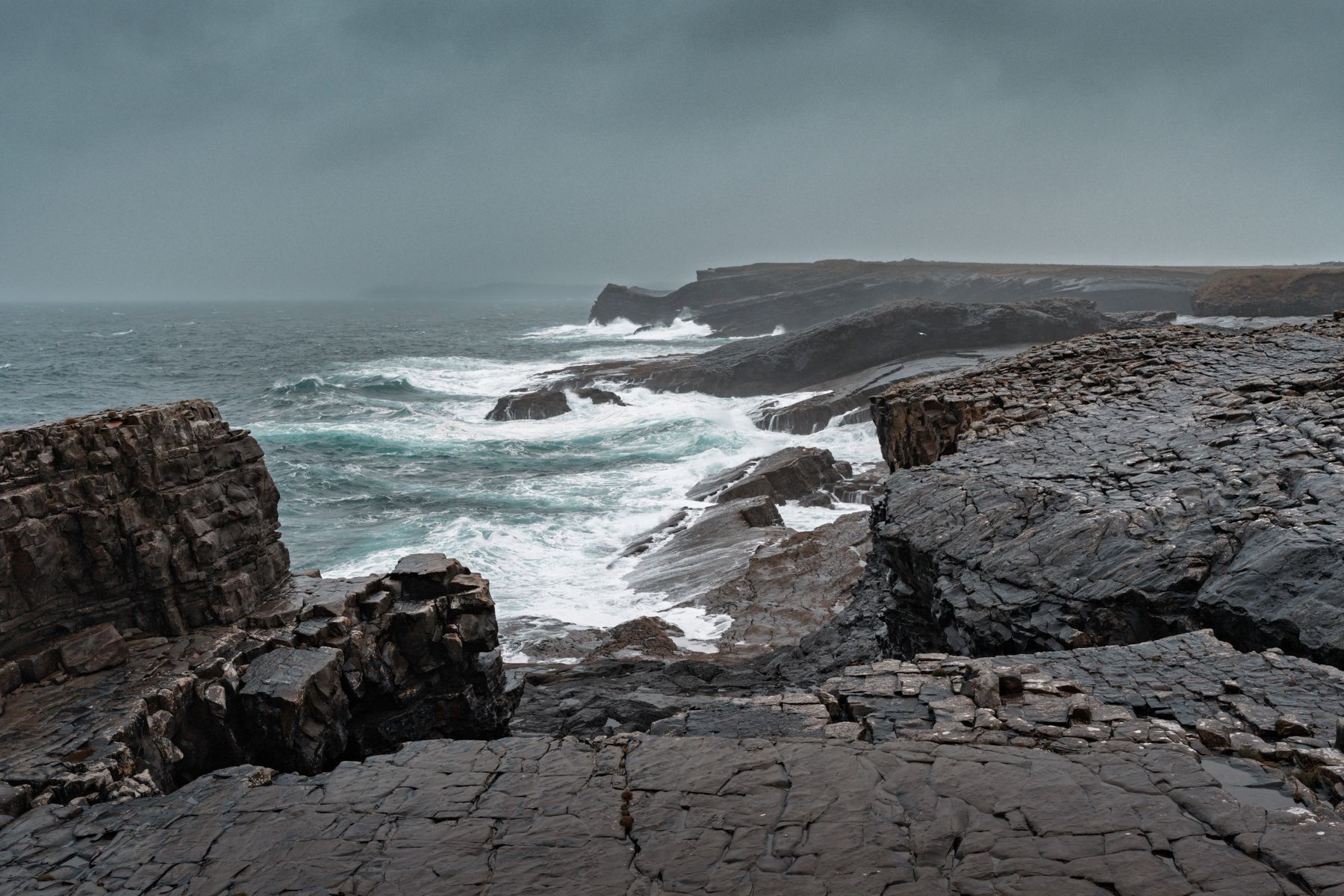
Irish autumn weather swings hard within a single day. A morning in Galway can open at 7°C with drizzle off Galway Bay and finish at 14°C and bright by early afternoon, then drop again after dark. The answer is three thin layers rather than one heavy one: a moisture-wicking base, a fleece or light wool jumper, and a packable waterproof shell. Wool is the local staple for good reason — it stays warm when damp — and a mid-weight merino jumper covers most evenings from September to November without bulk.
Start with layers, not a winter coat
Skip the padded parka for city breaks in Dublin, Cork or Limerick. Indoors runs warm, and you will spend more time carrying a coat than wearing it. A better use of luggage space is a light down gilet that packs to fist size for the genuinely cold evenings in the west, plus a scarf and thin gloves for coastal walks. Daylight is the real constraint: sunset in Dublin falls around 19:40 in early September but closer to 16:15 by late October, so plan outdoor hours early.
Waterproofs: the one place not to economise
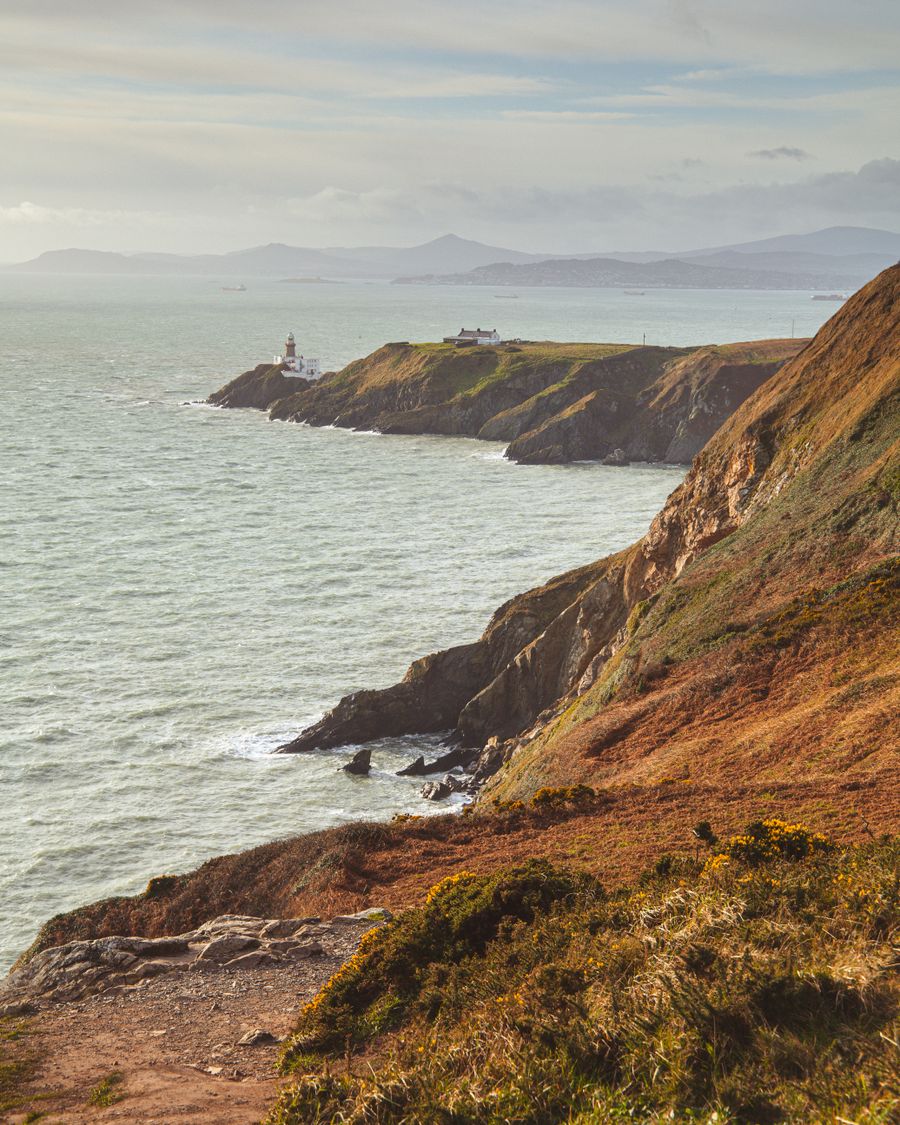
Rain in Ireland is rarely dramatic but frequently present — often as fine, wind-driven drizzle that soaks through ordinary jackets over an hour. A properly taped waterproof shell with a hood is the single most useful item you will pack. Trousers matter too: waterproof over-trousers cost little, weigh nothing and transform a wet day on the Cliffs of Moher or the Wicklow uplands. An umbrella is of limited use on exposed coasts where wind funnels off the Atlantic; leave it at home unless you are staying city-only.
Bring a small dry bag or two. They protect a phone and camera on boat trips to the Aran Islands or along the Kerry coast, and they double as organisers inside a suitcase. Check the weather forecast each morning rather than packing for a whole week at once — Met Éireann's regional forecasts are reliable enough to reshuffle plans, and a wet morning in Westport often clears by lunchtime. A spare pair of socks in a day bag is not fussiness; it is the difference between a good afternoon and a miserable one.
Footwear and the walking you will actually do
Ireland rewards walking, and autumn ground is soft. Bring waterproof walking shoes or light boots with decent grip for cliff paths, forest trails in Killarney National Park and the stone steps around ruins. City pavements in Dublin's Georgian quarter and Cork's Victorian centre are uneven, so cushioned soles help more than style. If you plan a day on Croagh Patrick or the Diamond Hill loop in Connemara, ankle support is worth the luggage weight; for Dublin, Galway and Kilkenny alone, a sturdy trainer is enough.
Pack one smarter pair for evenings. Galway's Latin Quarter and Dublin's Camden Street are casual, but a dry, clean shoe matters after a wet day. Gaiters are overkill for most visitors; a change of socks and a boot that dries overnight are more practical. If you are hiring a car, keep a towel and a plastic bag in the boot for muddy footwear. Driving times are longer than maps suggest on secondary roads — Dublin to Galway is roughly 2.5 hours, Dublin to Killarney closer to 4 — so comfortable shoes for short stops pay off.
The small kit that makes an autumn trip work
Autumn in Ireland is dark by late afternoon, so a compact torch or phone light helps on unlit rural lanes. A universal adapter, a small power bank and a reusable water bottle are standard; tap water is excellent everywhere. Bring any prescription medicines in original packaging, and a basic first-aid kit with plasters — pharmacies are common in towns but sparse in remote areas like the Beara Peninsula. Booking accommodation with drying facilities or a laundry service is genuinely useful in wet months, especially for family stays.
Where to base yourself depends on the trip. For a first visit, I would book Dublin for two nights near the Luas line, then Galway for the west, using it as a base for Connemara and the Burren. Cork suits food-focused travellers and the south coast; Killarney is best for national park walking. Skip trying to circle the entire island in a week. Rates in October sit below summer peaks, and midweek rooms are usually the better value — book flexible cancellation, since autumn weather can rewrite an itinerary overnight.