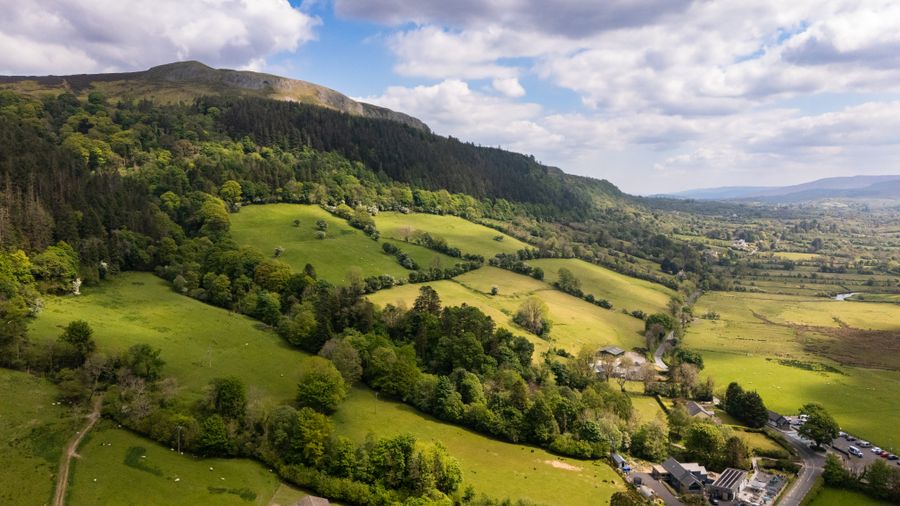
The R675 coast road from Tramore to Dungarvan is the backbone of any Copper Coast visit. From Tramore, head west past the sand dunes of Backstrand and the seaside village of Bunmahon, where the Geopark's visitor centre (Copper Coast Geopark, Bunmahon) sits in a former church. The road hugs the coast for much of the 45-kilometre route, with brown signposts marking the main access points: Kilfarrasy, Annestown, Boatstrand and Stradbally. Allow at least half a day to drive and stop; a full day if you plan to walk. The road is narrow in places, so take your time and use the designated car parks rather than pulling in on blind bends.
Driving the Coast Road: Tramore to Dungarvan
Bunmahon makes a sensible base for the eastern half of the Geopark, with a handful of B&Bs and self-catering cottages. For a wider choice of hotels, restaurants and services, Tramore (15 minutes east) or Dungarvan (30 minutes west) are better bets. Dungarvan, in particular, has a good selection of hotels and is well placed for exploring the western end of the coast, including Clonea Strand and the Mahon Falls. If you are arriving by car from Dublin, the N25 via New Ross brings you to Dungarvan in about 2 hours 45 minutes; from Cork, it is just over an hour. Tramore is served by Bus Éireann from Waterford city (about 20 minutes), but a car is essential for the coast road itself.
Best months to drive: May, June and September, when the weather is generally settled and the roads are quieter than in July and August. Avoid bank holiday weekends if you want the car parks to yourself. The coast road is exposed, so check the forecast before setting out; fog can roll in quickly.
Walking the Copper Coast Way
The Copper Coast Way is a waymarked long-distance walking route that follows the coast from Tramore to Dungarvan, roughly 46 kilometres in total. It is not a single continuous cliff path; instead, it links beaches, lanes and short cliff sections, with some road walking. The most rewarding stretch for a day walk is between Bunmahon and Stradbally, where you can take in the old copper mine ruins at Tankardstown and the quiet coves at Kilfarrasy and Annestown. The full route is usually walked over two or three days, with overnight stops in Tramore, Bunmahon or Dungarvan.
For a shorter outing, park at the Kilfarrasy car park and walk east to Annestown (about 3 kilometres) or west to Bunmahon (about 4 kilometres). The cliff-top sections are grassy and can be muddy after rain, so waterproof boots are advisable. The walk from Bunmahon to Tankardstown mine engine house is about 1.5 kilometres on minor roads and tracks, passing the ruins of the 19th-century copper mining industry. None of these walks are strenuous, but they are exposed to wind and rain, so carry layers and a map. The Geopark visitor centre in Bunmahon can provide route maps and current conditions.
Guided walks are occasionally organised by the Geopark geologist, but these are not regular; check the visitor centre for details. Independent walkers should note that some sections cross private land, so stick to the waymarked route. The best time to walk is late spring to early autumn, when the wildflowers are out on the cliffs and the days are long.
Where to Stay and What to Skip
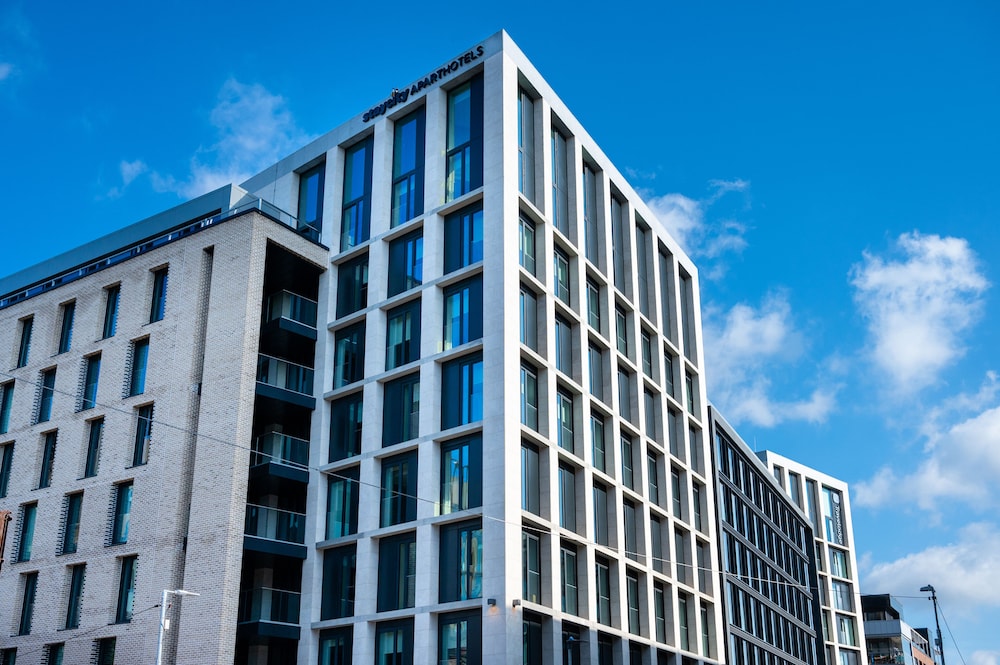
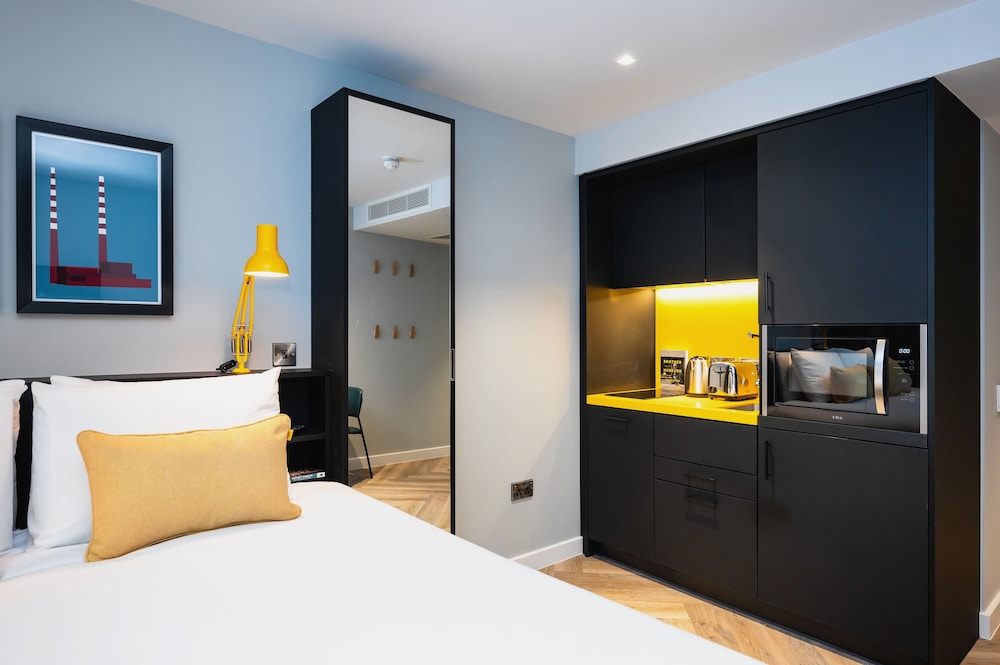
For a hotel base, I would book Dungarvan over Tramore if you want to combine the Copper Coast with other Waterford attractions such as the Comeragh Mountains and the Greenway. Dungarvan has a wider range of hotels, from boutique townhouses to family-run establishments, and a good selection of pubs and restaurants. Tramore is more of a traditional seaside resort, with a long beach and amusement arcades, but it can feel busy in summer and has fewer hotel options. Bunmahon is quiet and convenient for the Geopark but has limited accommodation, mostly B&Bs and guesthouses.
What to skip: the Copper Coast does not have any major visitor attractions beyond the landscape itself, so don't expect theme parks or large museums. The Geopark visitor centre in Bunmahon is small but informative; allow 30 minutes. If you are short on time, prioritise the stretch between Kilfarrasy and Stradbally for the best coastal scenery. Also skip the temptation to drive the entire coast road in one go without stopping; the essence of the Geopark is in the detail, so get out and walk.
For evening meals, Dungarvan has the edge, with a choice of restaurants serving local seafood and produce. Tramore has a few good spots near the beach, but many close out of season. Book accommodation in advance for July and August, especially in Dungarvan, as it is a popular stop on the Wild Atlantic Way's south-eastern extension.
Practicalities: Getting There and Around
By car, the Copper Coast is easily reached from Waterford city (about 20 minutes to Tramore, 40 minutes to Dungarvan) and from Cork (about 1 hour 15 minutes to Dungarvan). The nearest airport is Cork, with a drive of about 1 hour 30 minutes to Dungarvan; Dublin Airport is about 2 hours 45 minutes to Tramore. Public transport is limited: Bus Éireann runs services from Waterford to Tramore and Dungarvan, but not along the coast road. A car is essential for exploring the Geopark at your own pace.
Parking is available at the main access points: Kilfarrasy, Annestown, Bunmahon, Boatstrand and Stradbally. Some are small and fill up quickly on sunny weekends. There are no fees at most of these car parks. Fuel stations are in Tramore and Dungarvan, so fill up before heading out. The visitor centre in Bunmahon has toilets and a small café (seasonal). For groceries, Tramore and Dungarvan have supermarkets.
The weather can change rapidly, so pack waterproofs and sturdy footwear even in summer. The coast path is not suitable for wheelchairs or pushchairs, but the beaches at Tramore and Clonea are accessible. If you are relying on public transport, base yourself in Tramore or Dungarvan and take a taxi to the start of your walk; otherwise, you will spend more time waiting than walking.