RegisterFind a stay
What to Eat in an Irish Seafood Town: A Simple Guide

Seasons · Galway

WhattoEatinanIrishSeafoodTown:ASimpleGuide

Chowder, oysters, smoked salmon and brown bread — what to order, where the fishing actually lands, and which months are worth planning around.

What to Eat in an Irish Seafood Town: A Simple Guide
Region
Galway
County
Galway
Topic
Seasons
Reading time
4 min
In this article
4 sections

Ireland's seafood towns are working harbours first and tourist addresses second, and that shapes what is worth ordering. In Kinsale, the boats unload at the marina a two-minute walk from the pastel terraces of Pier Road; in Howth, the trawlers come in beside the DART station, so the fish on a lunch plate at lunchtime may have been swimming that morning. Galway's Claddagh quay and Baltimore in West Cork work to the same rhythm. Ask what came in today before you look at the rest of the menu — a good kitchen will tell you plainly and steer you away from anything frozen.

Start with the catch, not the menu

The single dish that best measures a kitchen is seafood chowder, usually €7–€12 as a starter or €14–€18 as a main. In Ireland it is a cream-based soup, often with smoked haddock or hake, potato, and a scatter of chives, served with brown soda bread. Skip anywhere the chowder arrives thin, lukewarm or tasting mainly of stock cube. Mussels are the other reliable test: a pot of rope-grown mussels in white wine and garlic should cost roughly €12–€16, and pints of them are landed around Killary Harbour in Connemara and off the Wexford coast.

Oysters, salmon and the things locals actually buy

Oysters are graded by size, and in Ireland the flat native ones carry names — Kelly, Gallagher, Flaggy Shore — while the Pacific gigas variety is what most people eat. Expect to pay about €3–€4 each in a pub or seafood bar, more in a formal restaurant. They are at their best in the 'r' months, September to April, though farms now hold stock into summer; Atlantic water temperatures are warmest in August, which is when oysters spawn and turn creamy rather than crisp. Order a half dozen with lemon and Tabasco, not a platter, and see how you feel.

Smoked salmon is where visitors overspend. The cold-smoked sides sold in delis in Ballycotton, Castletownbere and around the Burren are excellent, but the hot-smoked or gently cured salmon on a lunch menu with brown bread and capers does the same job for less. Buy a vacuum-packed side from a smokehouse to take home rather than paying restaurant prices for a few slices. Crab claws from Wexford and lobster from the south coast are worth ordering in season but are priced by weight, so ask what the plate will cost before you commit.

Where to go, and when

The practical geography is simple. Kinsale is about 30 minutes' drive from Cork city and Cork Airport, and functions as the south coast's seafood capital with a cluster of good kitchens along the harbour. Howth is 25 minutes on the DART from Dublin Connolly, which makes it the easiest seafood day trip in the country — a morning train, lunch, a walk out to the lighthouse, and back before dinner. Galway city plus the Connemara coast and Roundstone covers the west, while Killybegs in Donegal and Greencastle on Lough Foyle handle the northern catch and the deep-water fleet.

Season matters more than most guides admit. Brown crab and lobster are fished mainly from spring through autumn; mackerel arrive off the south and west coasts in summer and are caught from piers with a feather rig. Winter is quieter and cheaper for hotels, but some small harbour restaurants close from November to February, so check before booking a winter trip around a particular address. May, June and September give the best balance of open kitchens, good weather and lower accommodation rates than August. If you are booking, base yourself in Kinsale or Galway for a week, or Howth for two nights if Dublin is your anchor.

What I would book, and what to skip

For a first seafood-focused trip I would book two nights in Kinsale, out of season if possible, and eat one chowder lunch on the harbour and one fuller dinner of hake or turbot. Then drive west and stay three nights in Galway, using the city as a base for a day out to Roundstone and the Sky Road. If you only have a weekend and are flying into Dublin, stay in Howth rather than the city centre — the DART puts you back in town in half an hour, and you eat better at the harbour for the same money.

Skip the seafood platter in a hotel restaurant unless the hotel is on a working pier; the margins are thin and the produce rarely justifies the price. Skip anything described only as 'fresh fish of the day' without a species named — in Ireland, hake, haddock, cod, monkfish, turbot and plaice all cook differently and should be identified. Skip crab paste and prawn cocktail as a main course. Do order the humble things: smoked mackerel pâté, a bowl of mussels, oysters in an 'r' month, and brown bread with salted butter.
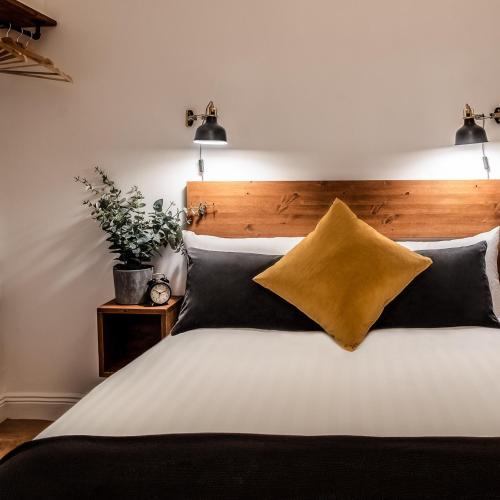
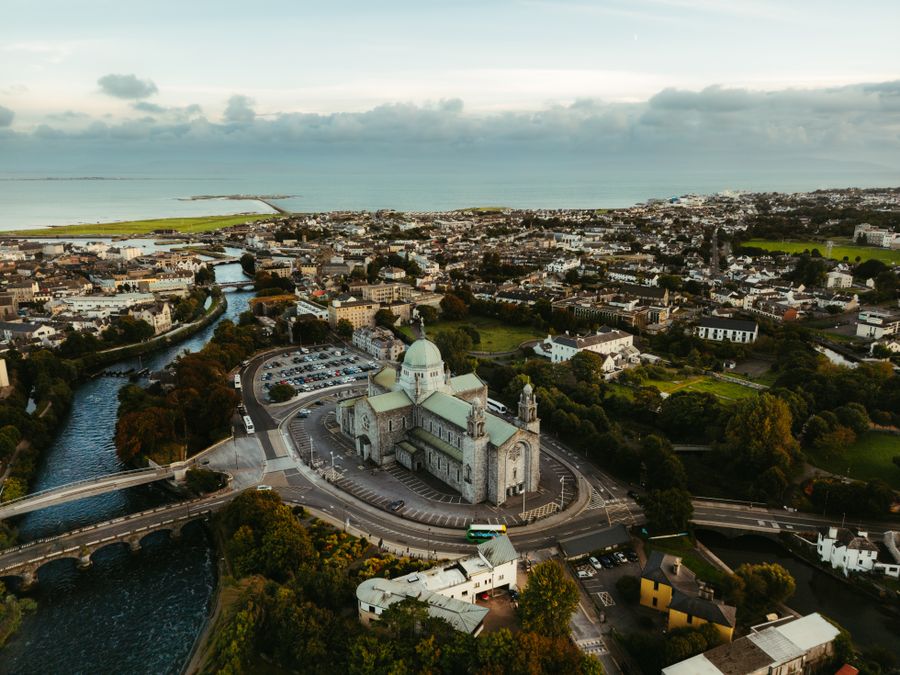
Top 10 Hidden Gem Hotels in Galway

Chowder, oysters, smoked salmon and brown bread — what to order, where the fishing…

County Galway

Eolas · Good to knowIn this article.

01

Start with the catch, not the menu

The single dish that best measures a kitchen is seafood chowder, usually €7–€12 as a starter or €14–€18 as a main.

02

Oysters, salmon and the things locals actually buy

Oysters are graded by size, and in Ireland the flat native ones carry names — Kelly, Gallagher, Flaggy Shore — while the Pacific gigas variety is what most…

03

Where to go, and when

The practical geography is simple.

04

What I would book, and what to skip

For a first seafood-focused trip I would book two nights in Kinsale, out of season if possible, and eat one chowder lunch on the harbour and one fuller dinner…

Ceisteanna · QuestionsAsked often.

What is a typical seafood chowder in Ireland? +

It is a creamy soup, usually with smoked haddock or hake, potato, onion and sometimes salmon or mussels, finished with chives and served with brown soda bread. Expect €7–€12 as a starter or €14–€18 as a main. Quality varies widely, so order it where the fish is landed nearby.

When are Irish oysters at their best? +

The traditional rule is months with an 'r' — September to April, when the water is cold and oysters are firm and saline. In summer they spawn and turn creamy. Most farms hold stock through the warm months, but for the crispest flavour, plan a trip between October and March.

Can I do a seafood day trip from Dublin? +

Yes. Howth is about 25 minutes on the DART from Connolly, with trawlers landing beside the station and plenty of places to eat along the harbour. It is the easiest option if you are based in the city and do not want to hire a car to reach the coast.

How much should I expect to pay for lobster or crab? +

Both are sold by weight, and market prices move with the season, so ask the price of the portion before ordering rather than trusting a menu figure. Brown crab and lobster are mostly landed from spring to autumn. Simple crab claw dishes usually cost less than a whole lobster.

Where does most Irish seafood land? +

Major landing ports include Killybegs in Donegal, Castletownbere in West Cork, and the harbours around Galway and Wexford, with smaller but significant catches at Howth, Kinsale and Baltimore. Eating near these ports is the surest way to find fish that has travelled a short distance.

Is it worth taking smoked salmon home? +

Yes, and it is better value than ordering a few slices in a restaurant. Vacuum-packed cold-smoked sides from smokehouses in West Cork, Connemara and around the Burren travel well in hand luggage. Check your home country's rules on bringing fish products before you pack it.

What months should I avoid for a seafood trip? +

August is the busiest and most expensive month, and it is when oysters spawn. November to February is quiet and cheap for hotels, but some small harbour restaurants close for the winter. May, June and September offer open kitchens, reasonable weather and better room rates.

What should I skip in an Irish seafood town? +

Skip unnamed 'fish of the day' — hake, cod, turbot and plaice should be identified. Skip the seafood platter in a hotel not on a working pier, and skip dishes where fish is buried in sauce. Spend instead on mussels, oysters in season and the catch of the day, plainly cooked.

Keep exploring.

Related articles

Where to stay

Hotels to consider

See all hotels

Related articles

Where to stay

Hotels to consider

See all hotels
Lóistín · Where to stayWhere to stay in Galway.468 stays in the Galway region, each with its own page: photos, location and guest reviews.
Hotels in Galway

Check before you go: Fáilte Ireland, Comhaltas Ceoltóirí Éireann, Transport for Ireland.