RegisterFind a stay
What to Pack for a Cottage Stay in the Irish Countryside

Nature · Connemara

WhattoPackforaCottageStayintheIrishCountryside

A practical packing list for a self-catering cottage in Ireland, from waterproof layers and midge repellent to the adaptor and torch you will actually use.

What to Pack for a Cottage Stay in the Irish Countryside
Region
Connemara
County
Galway
Topic
Nature
Reading time
3 min
In this article
4 sections

Irish weather changes several times a day, so pack for four seasons in one afternoon rather than for a forecast. A breathable waterproof shell with a hood matters more than an umbrella, which turns inside out in Atlantic wind on exposed routes like the Sky Road in Connemara or the cliffs above Dunmore East. Bring two pairs of walking shoes you can rotate so one dries while you wear the other, plus a warm mid-layer and a light fleece. Even in July, evenings in counties like Sligo or Leitrim drop enough to need a jumper.

Layers, Rain Gear and the Irish Weather Reality

Cottages are often heated by oil or solid fuel, and many owners ask guests to leave the heating on a low setting rather than letting the building go cold. Pack a couple of extra warm layers for indoors, and a pair of soft slippers or thick socks, because stone floors in converted farm buildings stay chilly. A small hot-water bottle is worth the space if you are travelling outside June to August. If your cottage has a solid-fuel stove, bring a box of firelighters, though most owners supply kindling and turf.

Footwear, Towels and the Self-Catering Basics

Self-catering cottages vary widely: some are hotel-standard with towels and toiletries, others ask you to bring your own. Check the listing before you pack, but a safe rule is to bring one bath towel per person and a beach towel for any coastal swim at spots like Tramore or Enniscrone. Pack a small bottle of washing-up liquid, a couple of dishwasher tablets, salt and cooking oil, because arriving late to a rural cottage means the nearest shop may be twenty minutes away and closed by nine.

Bring a small first-aid kit, plasters and any medication you rely on, since rural pharmacies in places like Clifden or Cahir keep normal shop hours. A rechargeable head torch is more useful than a phone light when finding the key safe down an unlit lane, and a plug-in night light helps in unfamiliar rooms. If you plan to cook, a decent knife and a travel corkscrew are small luxuries that self-catering kitchens rarely provide well.

Tech, Connectivity and Charging in Rural Ireland

Mobile coverage is patchy in valleys and along parts of the Wild Atlantic Way, so download offline maps before you leave Dublin or Cork. Irish sockets are three-pin Type G, so visitors from continental Europe or North America need an adaptor; bring a small multi-plug extension so one adaptor can charge several devices. A power bank is essential if you navigate by phone on day trips to places like the Beara Peninsula, where signal drops between villages.

Wi-Fi in cottages is usually adequate for email but not always for streaming. If you need to work, ask the owner for a speed test before booking, or plan to use a local café or library in towns such as Westport or Kenmare. Many rural pubs and hotels offer reliable Wi-Fi, so a lunch stop can double as a download session. Bring a compact Bluetooth speaker only if your neighbours are far enough away, and keep volume low in shared courtyards.

Outdoor Kit, Midges and What to Leave at Home

If you plan to walk, pack a light daypack, a refillable water bottle and a midge head net for the west coast in June to August, particularly around lakes in Connemara, Mayo and Roscommon. Midge repellent is sold locally but costs more in small shops. Binoculars earn their place for spotting seals in Clew Bay or birds along the Slaney. A dry bag protects phones and cameras on boat trips to places like the Skellig Islands, where spray is constant.

Leave the bulky suitcase and heavy formal wear at home; cottages rarely have space for large luggage, and Irish country dining is relaxed. Instead, pack a smarter jumper for an evening in a hotel restaurant in towns like Adare or Dingle. If you plan to book a hotel for the first or last night of the trip, choose one with parking and an early breakfast, which makes an early ferry from Rosslare or a flight from Shannon far less stressful.
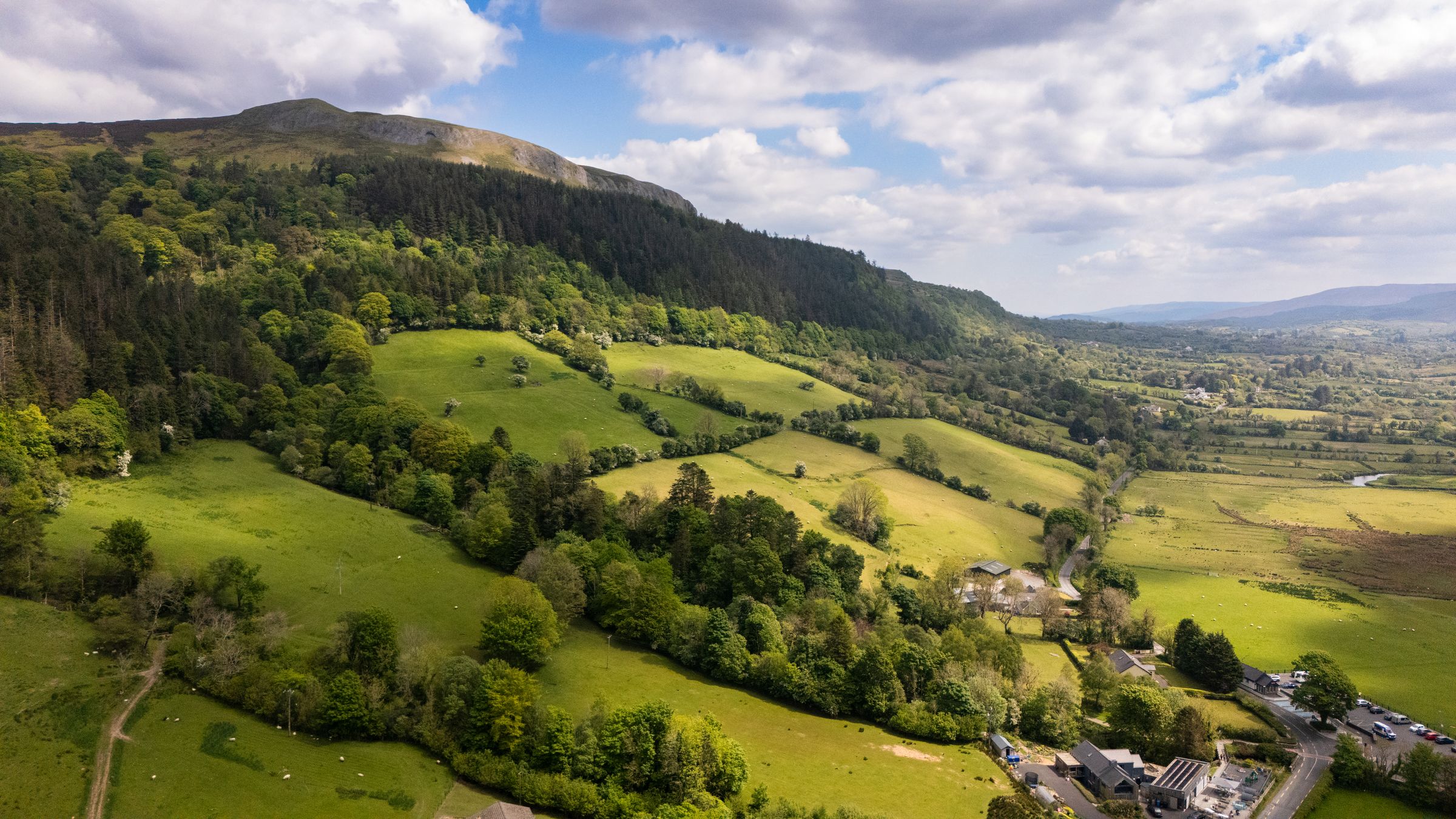
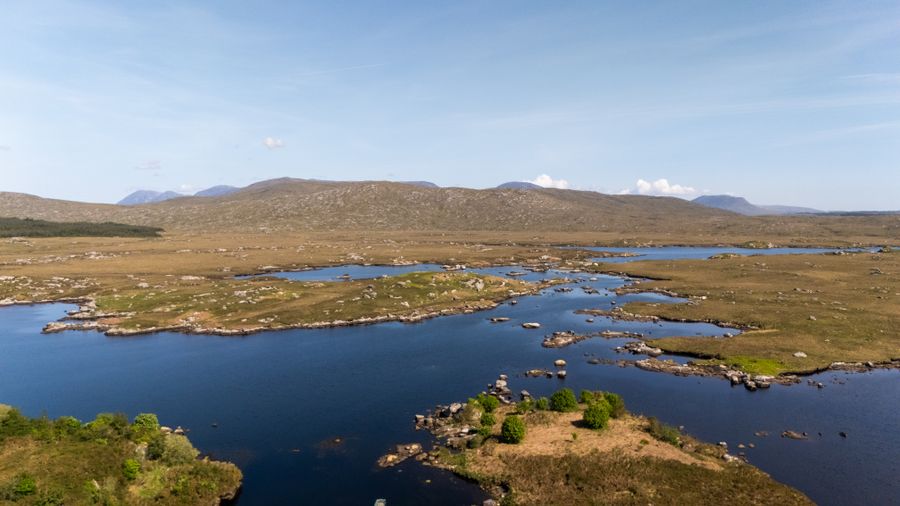
Aerial view of green hills and valleys in Ireland

A practical packing list for a self-catering cottage in Ireland, from waterproof layers…

Connemara, County Galway

Eolas · Good to knowIn this article.

01

Layers, Rain Gear and the Irish Weather Reality

Cottages are often heated by oil or solid fuel, and many owners ask guests to leave the heating on a low setting rather than letting the building go cold.

02

Footwear, Towels and the Self-Catering Basics

Self-catering cottages vary widely: some are hotel-standard with towels and toiletries, others ask you to bring your own.

03

Tech, Connectivity and Charging in Rural Ireland

Mobile coverage is patchy in valleys and along parts of the Wild Atlantic Way, so download offline maps before you leave Dublin or Cork.

04

Outdoor Kit, Midges and What to Leave at Home

If you plan to walk, pack a light daypack, a refillable water bottle and a midge head net for the west coast in June to August, particularly around lakes in…

Ceisteanna · QuestionsAsked often.

Do I need waterproof trousers for an Irish cottage holiday? +

They are worth packing for walking days, especially on exposed routes in Connemara and Donegal. Showers pass quickly, but wet grass and boggy ground soak ordinary trousers. Lightweight over-trousers pack small and dry fast.

Will my cottage have towels and bed linen? +

Most Irish self-catering cottages supply bed linen, but towels vary. Check the listing or ask the owner before you travel. If towels are not included, bring one bath towel per person plus a smaller one for beaches or swimming.

What plug adaptor do I need for Ireland? +

Ireland uses three-pin Type G sockets at 230 volts, the same as the UK. Visitors from Europe or North America need an adaptor. Bring a short extension lead so one adaptor can charge a phone, camera and power bank at once.

Is mobile signal reliable in rural Irish cottages? +

Coverage is good near towns but weak in valleys and along parts of the west coast. Download offline maps before travelling and note that some cottages rely on Wi-Fi for calls. Ask the owner about signal if you need to work.

When are midges worst in Ireland? +

Midges are most active from June to August, especially near lakes and bogs in the west and midlands on calm, damp evenings. A head net and repellent help. Coastal breezes reduce them, so seaside cottages are usually less affected.

Should I bring food supplies to a self-catering cottage? +

Yes, at least for the first night. Rural shops often close by early evening, and the nearest supermarket can be twenty minutes away. Pack salt, oil, coffee, tea and a simple meal, then shop locally the next morning.

Do I need a car for a countryside cottage stay? +

Almost always yes. Public transport in rural Ireland is limited, and cottages are often several kilometres from the nearest village. Book a car in advance at Dublin, Shannon or Cork airports, and check whether your cottage has private parking.

What should I wear for an evening out in rural Ireland? +

Country hotels and pubs are relaxed. A smart jumper, clean trousers and comfortable shoes are enough for dinner in towns like Westport or Kenmare. Formal wear is rarely needed, and practical layers suit changeable evenings better.

Keep exploring.

Related articles

Where to stay

Hotels to consider

See all hotels

Related articles

Where to stay

Hotels to consider

See all hotels
Lóistín · Where to stayWhere to stay in Connemara.501 stays in the Connemara region, each with its own page: photos, location and guest reviews.
Hotels in Connemara

Check before you go: Fáilte Ireland, Comhaltas Ceoltóirí Éireann, Transport for Ireland.