Start in Dublin, where winter eating is a walking pursuit. Around George's Street Arcade and the stalls off Coppinger Row you will find hot chocolate, soda bread toasted with butter, and bowls of seafood chowder thick enough to stand a spoon in. Pub lunches in the Georgian quarter near Merrion Square and Baggot Street run roughly €14–22 for a stew or a fish pie, and the early darkness from late November makes a mid-afternoon bowl of beef and Guinness stew feel entirely reasonable. Sunday is the strongest day for traditional roasts; weekday lunch menus are quieter and better value.
Dublin in winter: market halls, chowder and the pub lunch
For a splurge, Dublin's tasting menus cluster around Merrion Square and Grand Canal Dock, and winter is when root vegetables, game and cured fish appear on them. Book six to eight weeks ahead for a Friday or Saturday in December, when the city fills with shoppers and office parties. If you are choosing a base, I would book a hotel between Trinity College and St Stephen's Green: you can walk to the best lunch spots, and the Aircoach and Luas take you to the coast or out to Howth for a winter cliff walk and a bowl of chowder at the harbour.
The west coast: oysters, smoked salmon and Galway's food calendar
Galway is the winter eating capital of the west. The native oyster season runs roughly September to April, and you will find them on menus along Quay Street and in the Latin Quarter, served simply with brown bread and a squeeze of lemon. A dozen native oysters typically sits in the €20–30 range in a mid-range restaurant; smoked salmon with horseradish cream and dark soda bread is the cheaper, equally local starter. The city's winter food events and Christmas markets along Eyre Square make late November and early December a lively time to visit without summer's crowds.
Beyond the city, Connemara's lamb appears on menus from Clifden to Letterfrack, usually as a slow-cooked shoulder or a rack with rosemary. Drive times are short — Galway to Clifden is about an hour and a half on the N59 — so you can base yourself in Galway and eat well without moving hotels. I would skip the themed 'traditional Irish night' dinners aimed at coach tours; the food is usually fine but forgettable. Instead, look for a pub with a blackboard menu and a short wine list, which almost always signals a kitchen that cooks seasonally.
Cork and Kerry: butter, offal and the winter larder
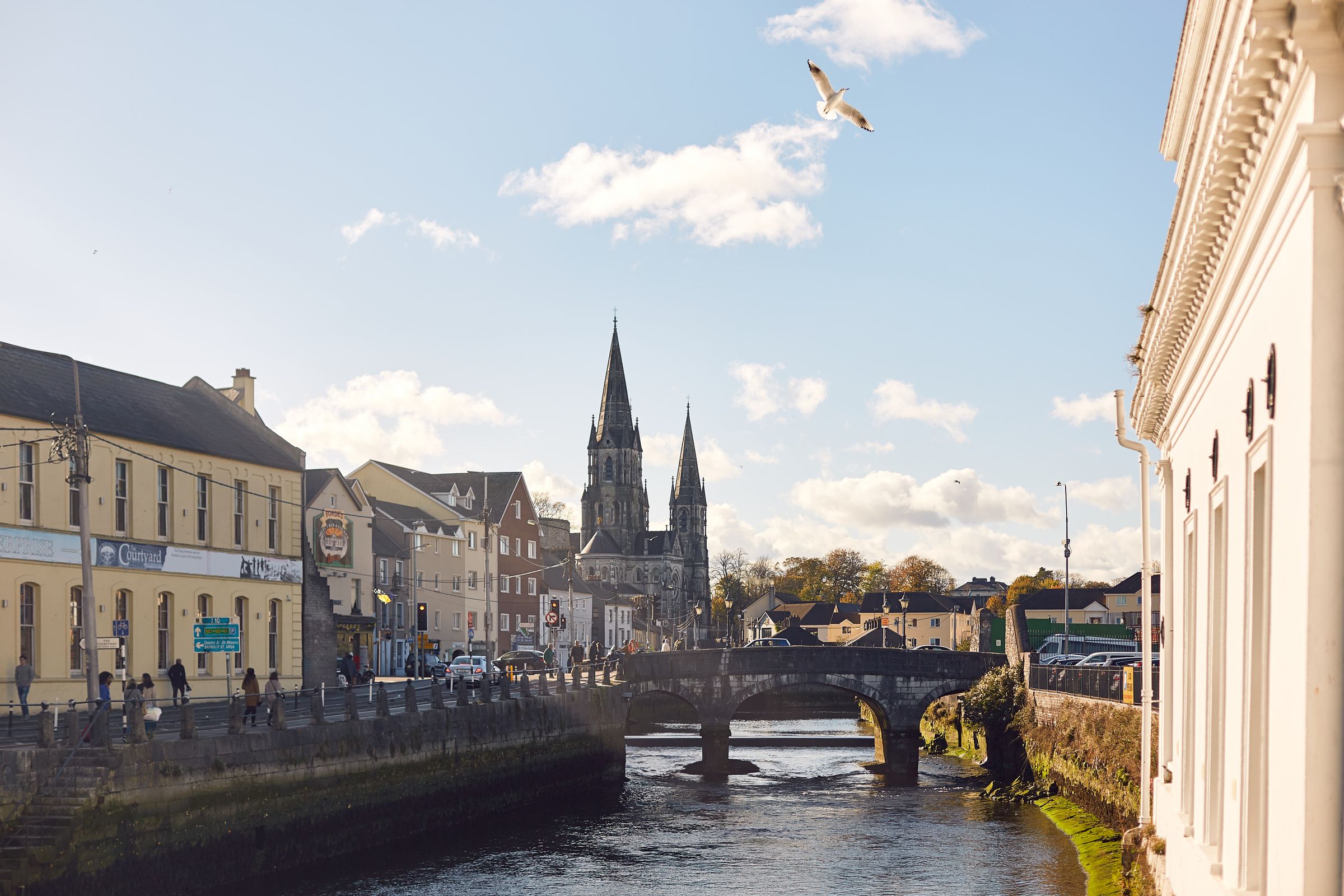
Cork city and its hinterland have the deepest winter larder in the country. The English Market on Princes Street is the obvious stop — look for drisheen, cured beef (a Cork Christmas speciality), farmhouse cheeses and raw milk butter. Cured beef is traditionally served cold in thin slices with bread and pickles, and it is the single most Cork-specific thing you can eat in December. Expect market stalls to be busiest on Saturday mornings in the run-up to Christmas; go early, around 9am, to browse without the crush.
West into Kerry, Kenmare and Dingle keep good restaurants open through winter, though many places close for a few weeks in January — check before you book. Smoked haddock, lamb stew and seafood pie dominate. Killarney is a practical base: it is 90 minutes from Cork airport and 40 minutes from Dingle, and hotels there run lower winter rates outside the Christmas week. If you want one memorable meal, book a small restaurant in Dingle town for a weekday in February, when the peninsula is quiet and the kitchens are cooking for locals.
Bread, breakfast and what to skip
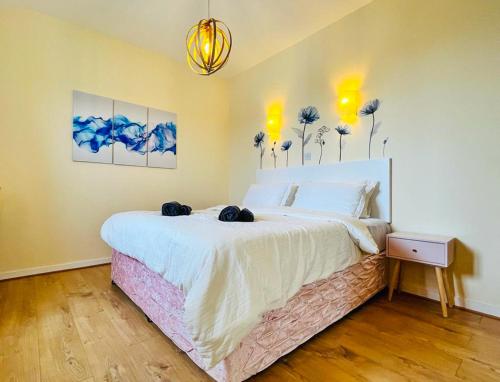
Brown soda bread is the thread running through every winter meal, and it is worth seeking out the good versions: dense, sour-edged, served warm with salted butter. Breakfast in a good guesthouse will include it alongside porridge with whiskey-soaked raisins, smoked fish and eggs. Hotel breakfasts in city centres vary widely; the best value is usually a smaller guesthouse within walking distance of the centre rather than a large chain property, where the winter rate is lower but the breakfast is often a buffet.
What to skip: imported 'Irish' dishes in tourist-strip restaurants, out-of-season seafood flown in when local mussels and oysters are on the menu, and any place with photographs of food on the door. January and February are the cheapest months for hotels, with the exception of New Year, and they are also the quietest — ideal if you want to book a city-centre room in Dublin or Galway and eat your way through short, seasonal menus without queues.