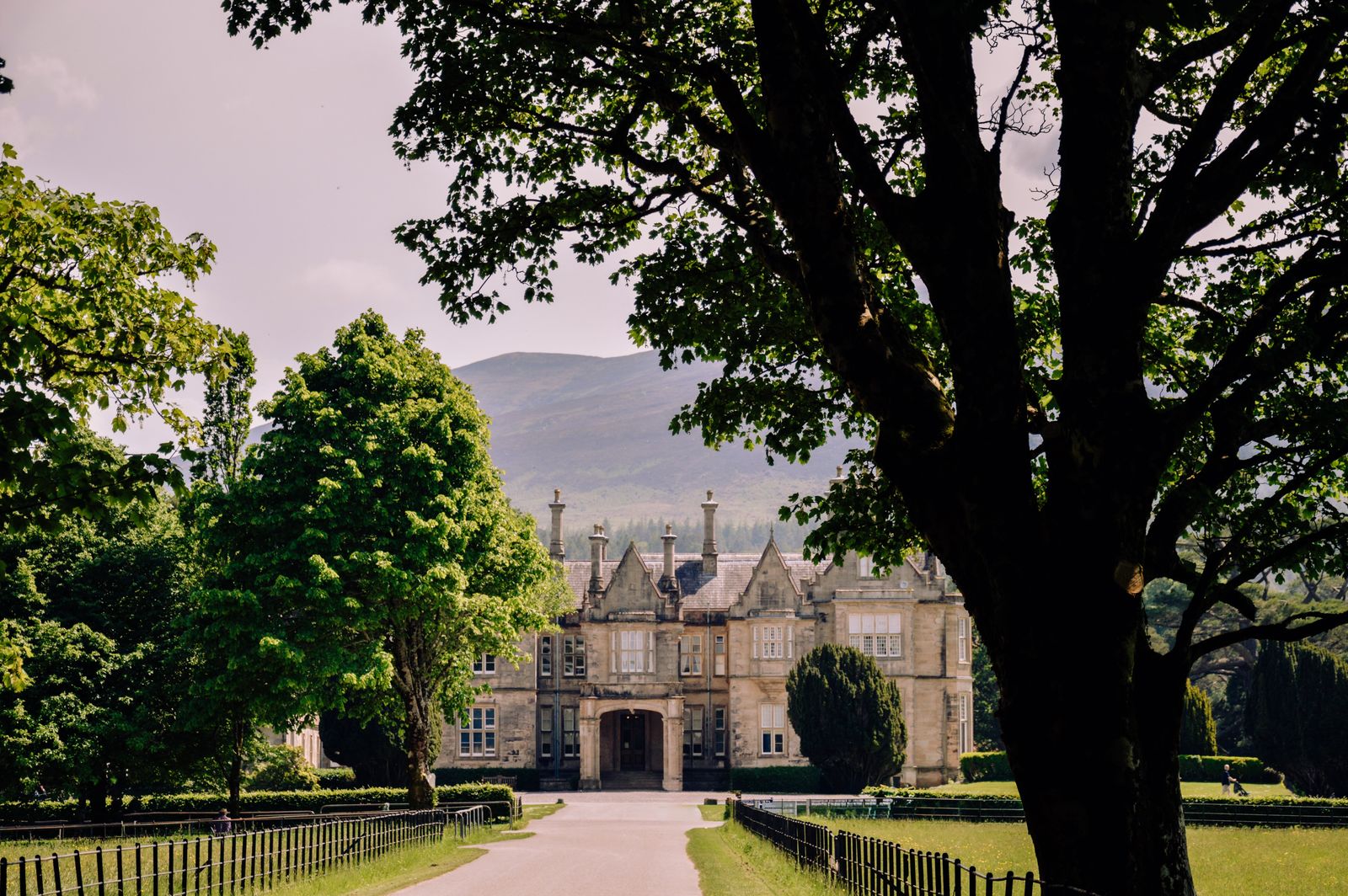
Muckross House stands in woodland on the shore of Muckross Lake, a few kilometres south of Killarney town. The Victorian house, its gardens and the surrounding parkland are part of Killarney National Park, and the estate is one of the main stops on any visit to the area.
The house itself
The house was built in the nineteenth century for the Herbert family, who owned the Muckross estate. It is a large Victorian country house, designed for entertaining and for the management of a working estate, and it passed through several owners before the state took it on.
The interior is shown as a Victorian home, with rooms furnished in period style and an exhibition on the history of the estate and its people. Guided tours run through the main rooms, and the story told includes the servants who kept the house running as much as the family who owned it.
The house is ticketed. Opening times vary through the year, so check the official Heritage Ireland pages for the Office of Public Works before travelling, and allow an hour or so for the tour itself.
House tours are ticketed and run to a timetable. Check Heritage Ireland for current opening days before setting out.
The gardens and arboretum
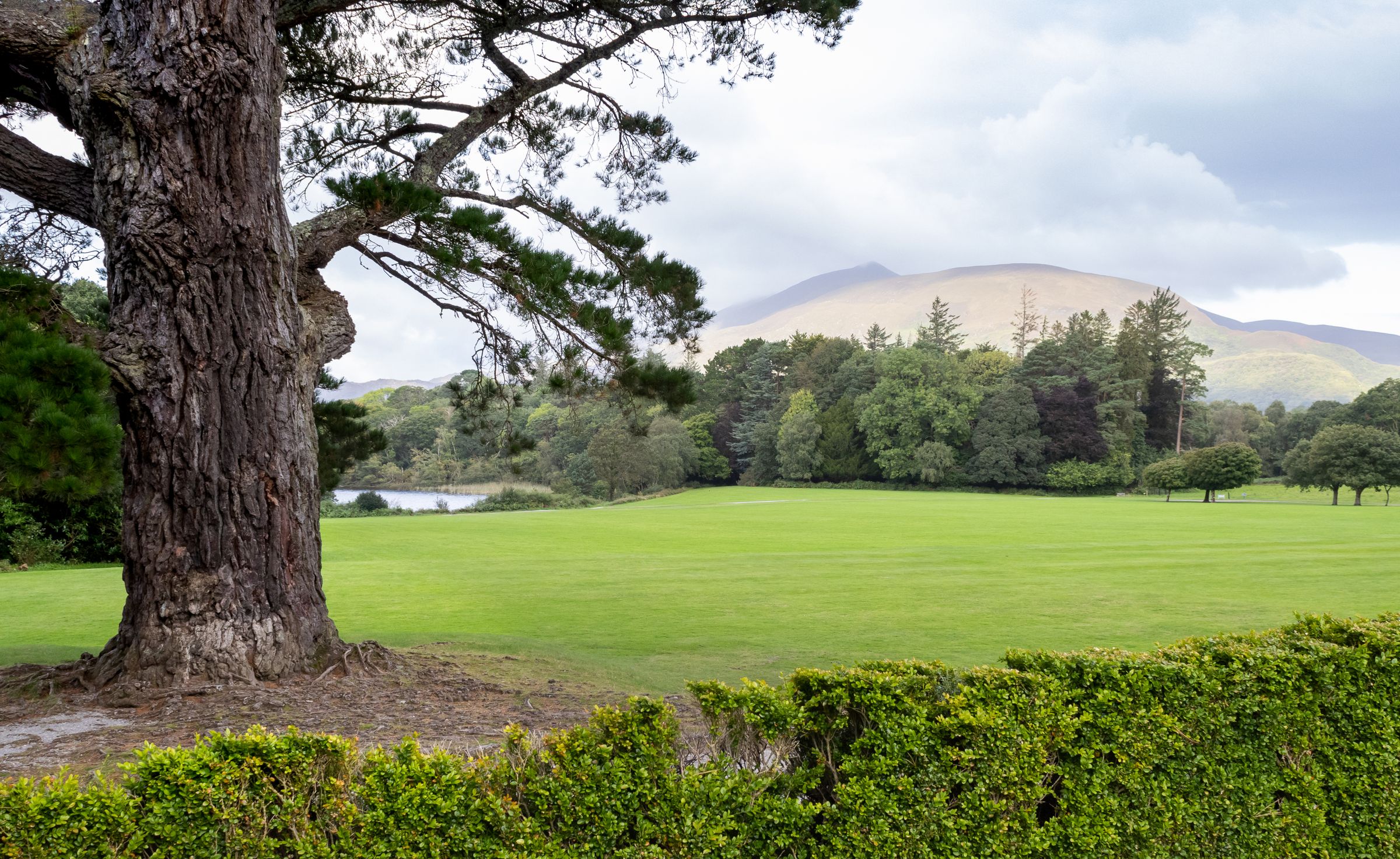
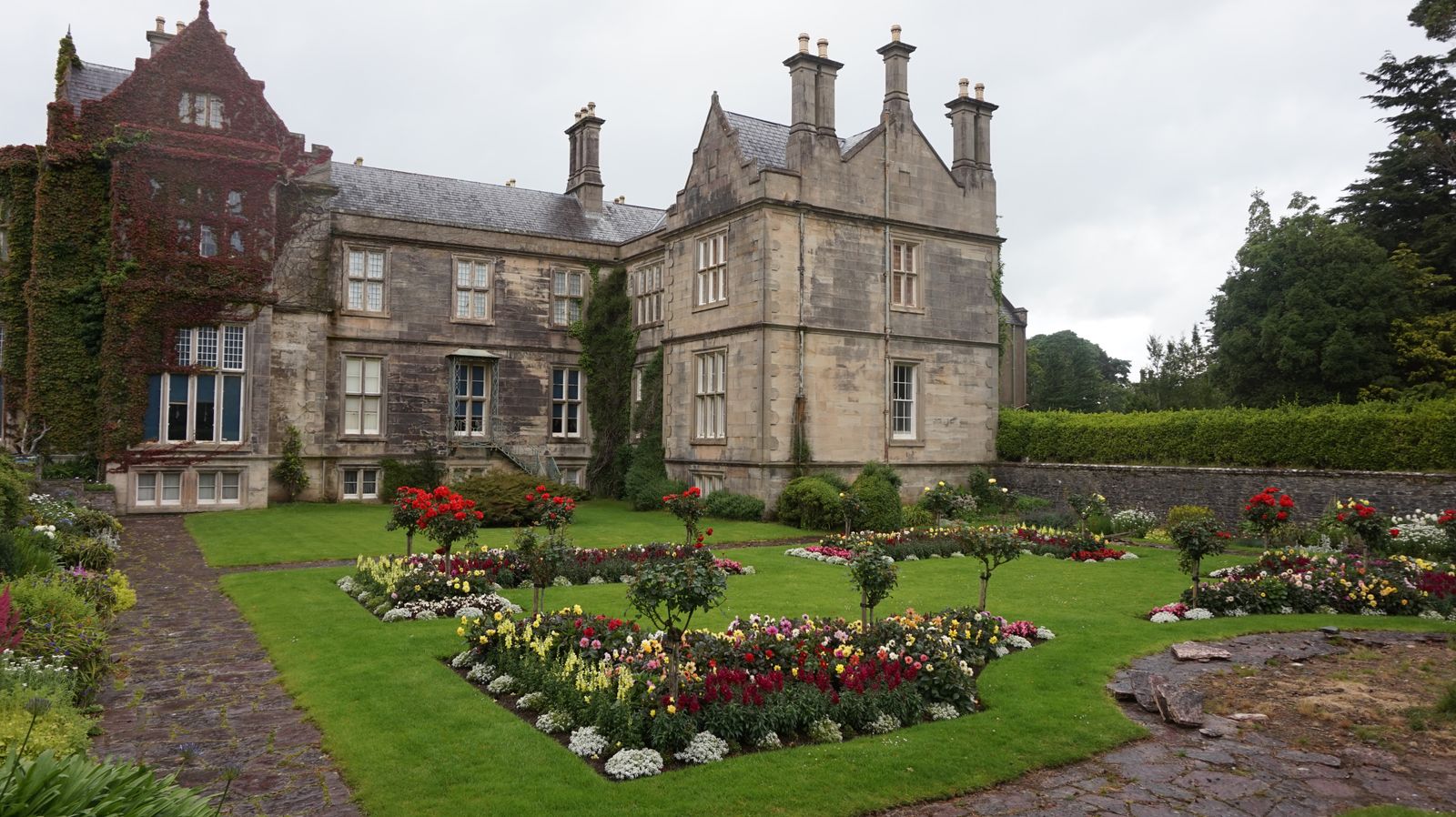
The gardens around the house are free to walk and are the reason many people stop here even without going inside. Lawns run down towards the lake, and a walled garden holds a collection of shrubs and flowers sheltered from the wind.
An arboretum holds trees from many parts of the world, planted when plant collecting was fashionable among estate owners. Some of the specimens are mature and give the grounds a wooded, sheltered feel in every season.
Paths link the gardens to the wider park, and benches face the water. The ground is mostly level near the house, though some paths are gravel and can be soft after rain. Sturdy shoes are more useful than anything formal.
Muckross Lake and the shore
Muckross Lake is the middle of the three lakes of Killarney, and the house looks out over its northern shore. The water is calm in fine weather and the wooded slopes of the park come down to the edge on the far side.
A path runs along the shore towards Dinis and the meeting of the waters, where the three lakes connect. The walk is gentle and mostly shaded, and it links up with the wider network of tracks in the national park.
Boats and jaunting cars operate in the area in season, and the lakeshore is a starting point for some of them. Services change with the weather and the season, so ask locally or check with the national park before relying on any of them.
Muckross traditional farms
Beside the house, a separate exhibit recreates small Irish farms of the past, with cottages, outbuildings and fields worked in the old way. It is laid out as a small settlement rather than a museum hall, so you walk between the buildings at your own pace and see the yards and gardens as you go.
The farms show how a household worked the land with simple tools and a few animals, and staff are often on hand to explain what is growing or what a particular building was for. It suits children, who can move around outdoors between the cottages rather than standing still indoors.
The farms are ticketed separately from the house, and opening is seasonal. Check Heritage Ireland for the dates the farms are open, as they do not run all year, and allow a good hour to walk the whole site.
Walks and cycling
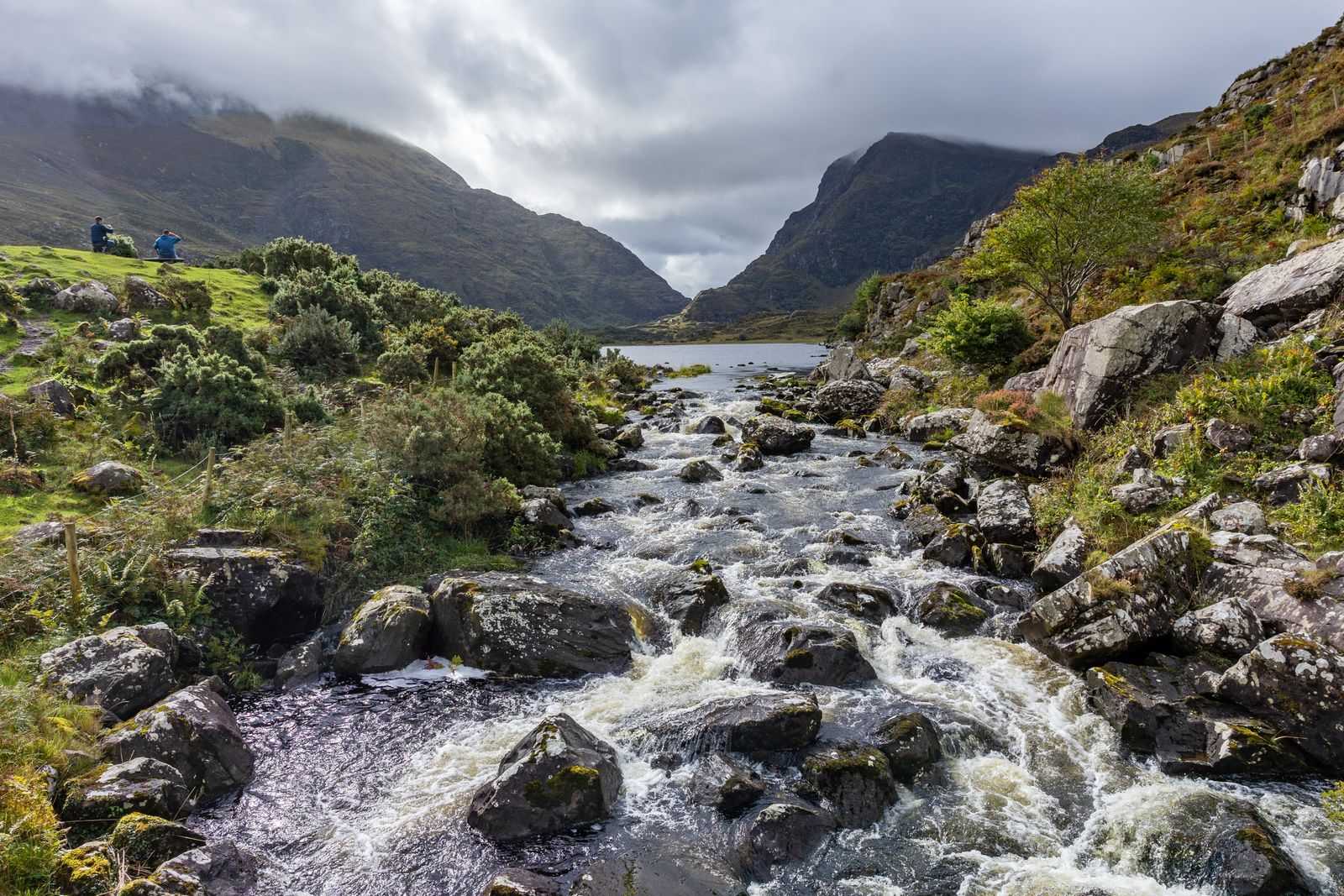
Muckross is a good starting point for walks in Killarney National Park. Tracks run from the house towards Dinis, Torc Mountain and the old Kenmare road, and the ground is generally firm underfoot on the main routes.
Cycling is popular on the estate roads, and bikes can be hired in Killarney town rather than at the house. The routes are shared with walkers, jaunting cars and the occasional vehicle, so keep left and take bends slowly.
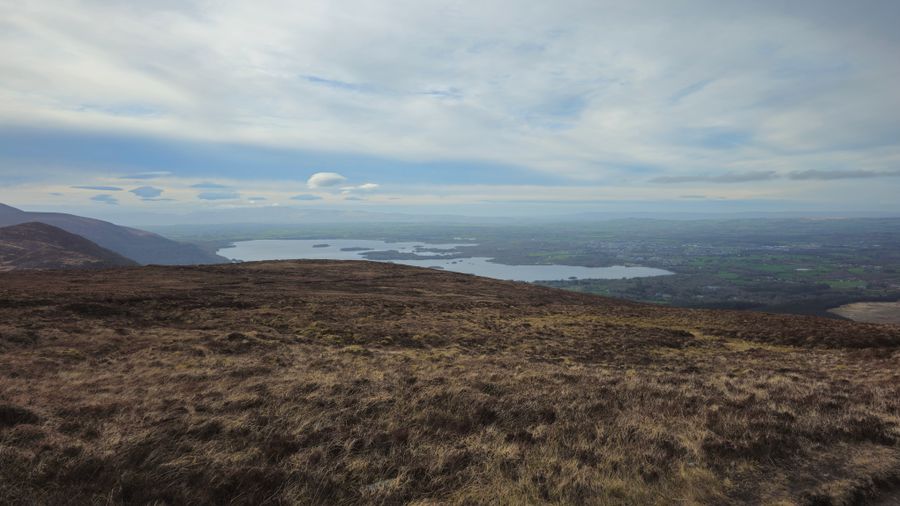
Longer hill walks in the park need proper boots, a map and a check on the weather. Met Éireann gives the forecast, and conditions on the higher ground can differ from the town even on a settled day.
Check the Met Éireann forecast before a longer walk, as conditions on higher ground differ from Killarney town.
Getting there and bases
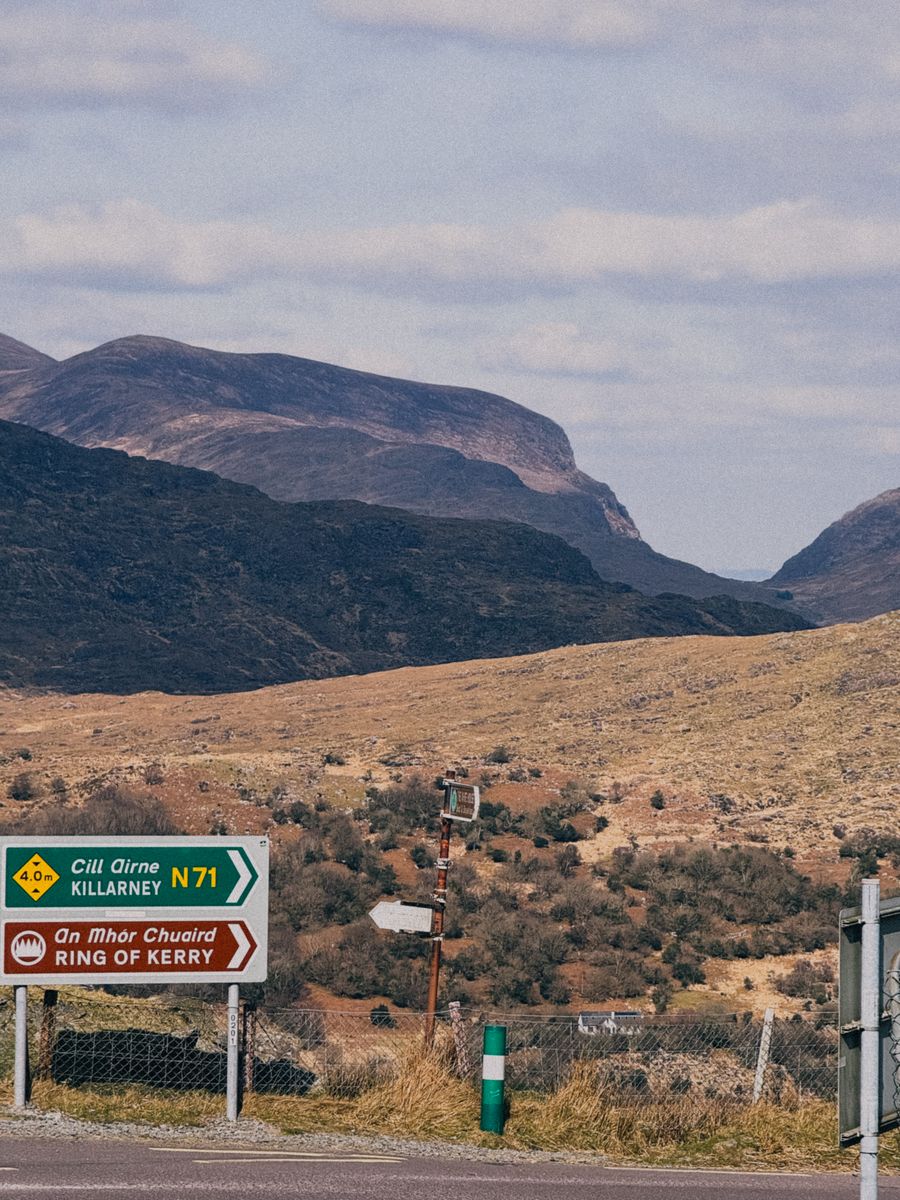
Muckross is about a short drive south of Killarney town, and the road continues towards Kenmare and the Ring of Kerry. Parking is available near the house, and it fills on busy summer days, so an early start helps.
Killarney is the obvious base, with the widest choice of places to stay and the best transport links. Kenmare to the south is quieter and suits anyone continuing around the Ring of Kerry, while Killorglin to the north works for the ring in the other direction.
Without a car, Killarney is the practical choice: buses and trains reach the town, and the national park is close enough to walk or cycle into. Local transport and jaunting cars cover some of the gap to the house, but services change, so check Transport for Ireland.
Buses and trains serve Killarney town. Check Transport for Ireland for current timetables before planning a car free day.
Elsewhere in the park
Muckross sits within Killarney National Park, which is looked after by the National Parks and Wildlife Service. The park holds oak woodland, lakes and mountain ground, and entry to the park itself is free.
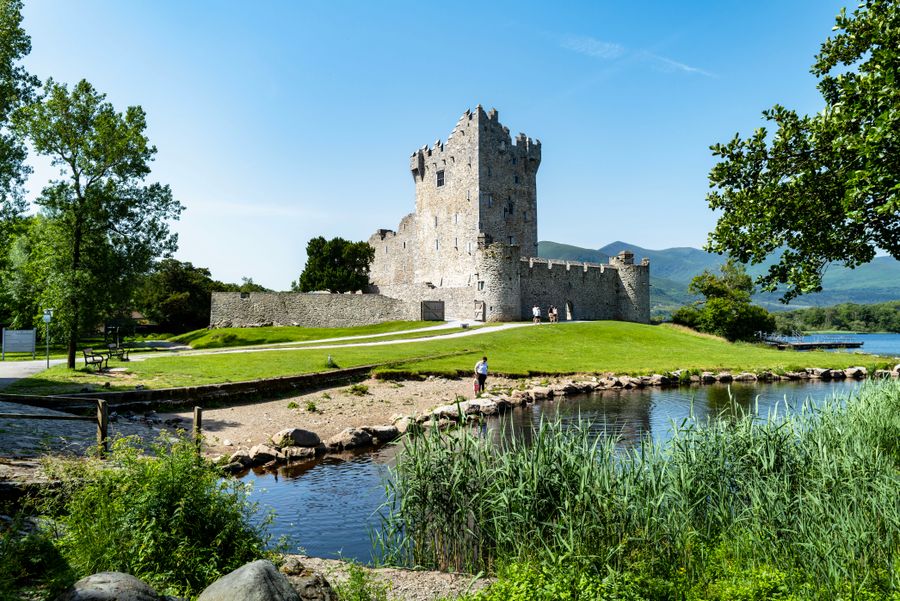
Nearby are Torc Waterfall, Ross Castle on the shore of Lough Leane, and the ruins of Muckross Abbey, a short walk from the house. Each can be combined with a visit to Muckross in a single day without much driving.
Red deer live in the park and are often seen at dawn and dusk in the woods and on the open ground. Keep a distance and do not feed them, and follow any signs about closed paths or sensitive areas.
Practical points
The house is ticketed and the gardens are free to walk. The traditional farms are ticketed separately and open seasonally. None of these arrangements is fixed for good, so check Heritage Ireland for the current position before a visit.
The weather is mild and changeable, and rain is possible in any month. The west of the country is wetter than the east, and Killarney sits in a damp, wooded corner, so a waterproof layer is worth carrying even on a bright morning.
The estate paths are shared and some are uneven. Visitors with limited mobility should ask about access to the house and gardens in advance, and the guide on accessible travel sets out what to check before booking.