Dublin concentrates more craft retail than anywhere else on the island, and most of it sits within a walkable mile. Start at the Design & Crafts Council of Ireland's shop on Castle Street beside Dublin Castle, which stocks work from makers across the country with the maker's county on the label. The Kilkenny Shop on Nassau Street carries glass, knitwear and ceramics; the Irish Design Shop on Drury Street is smaller and more studio-focused. Prices run from around €20 for a small ceramic bowl to several hundred euro for framed prints or hand-thrown tableware.
Craft hunting in Dublin and the east
Outside the centre, the Jam Art Factory on South Great George's Street and the shops along Francis Street near Christ Church specialise in prints and small pieces that travel easily. If you want to see work being made rather than just sold, the National College of Art & Design on Thomas Street runs degree shows in early summer, usually June, which are free and open to the public. Book a hotel between Trinity College and St Stephen's Green for the densest cluster of shops, and use Grafton Street as your walking spine.
Wool, crystal and the southeast
County Kilkenny is the southeast's craft anchor. Kilkenny city holds the Kilkenny Design Centre in the old castle stables and the Kilkenny Arts Festival each August, when studios around the city open their doors. The town is 90 minutes by road from Dublin and around two hours by train from Heuston station. A 20-minute drive south brings you to the village of Inistioge and the wool and textile studios scattered along the Nore valley, where you can buy directly from a maker rather than a retailer.
Waterford is the other reason to stay in the southeast. The House of Waterford Crystal on the Mall runs guided factory tours, roughly an hour, where you watch glassblowing and cutting before browsing the shop — worth it for understanding why hand-cut pieces cost what they do. Note that most affordable pieces are smaller bowls and tumblers; large chandeliers are firmly in the collector bracket. Base yourself in Kilkenny for two nights and drive to Waterford, about 45 minutes on the N25, rather than splitting your stay.
Westport, Galway and the western makers
Galway city has the west's best concentration of independent craft retail. The Cornstore and the lanes off Shop Street hold jewellers and knitwear shops, while the Saturday market beside St Nicholas' Collegiate Church sells ceramics, leather and woodwork from makers based in Connemara and Mayo. Further north, Westport in County Mayo is a strong second base: the town's streets hold several small galleries, and the drive out to Louisburgh and Leenane passes studios working in wool, stone and bog oak.
The Connemara loop from Galway — Clifden, Roundstone, Leenane — takes a full day with stops and is where you'll find basketwork, marble and woven textiles sold from workshops rather than shops. Roundstone's summer craft fairs run through July and August. Drive times are real: Galway to Clifden is about 80 minutes on the N59, and Clifden to Westport around an hour. I'd book Galway for city shops and a Connemara day, then Westport for quieter studios and access to Achill.
Basketwork, ceramics and where to sleep
Basketmaking survives in a handful of places, and the workshops are worth planning around. The Irish Basketmakers Association lists working makers, several in County Wexford and around the midlands, and many run half-day courses where you weave a small basket and take it home — a better souvenir than anything on a shelf. Expect to book courses weeks ahead in summer. Ceramics is the other strength: County Cork and County Down both have clusters of studio potters selling seconds and one-offs at prices well below gallery retail.
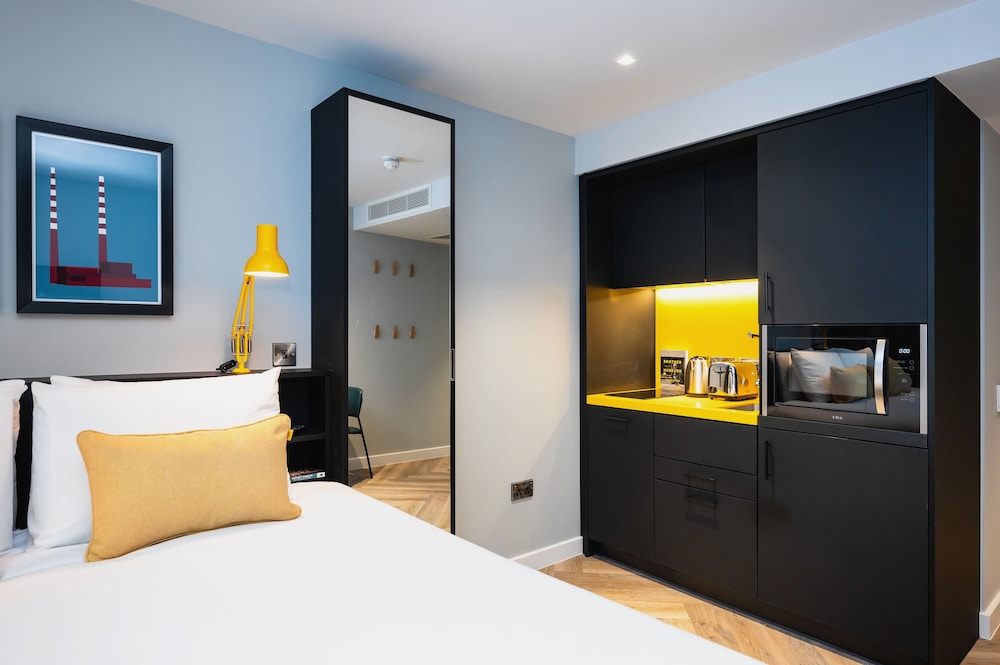
For accommodation, match your base to the craft, not the other way round. Kilkenny for the southeast cluster, Galway for the west, Westport for Mayo and Connemara, and Dublin for a first or last night before a flight. In July and August, book three to four weeks ahead; in May or September you'll find more room and easier access to studios, many of which close on Mondays and Tuesdays. Check opening hours directly — small workshops often keep irregular ones.