Ireland rewards campers who plan around the coast and the west. Established sites cluster in places like Achill Island in County Mayo, the Ring of Kerry around Cahersiveen and Kenmare, and the Dingle Peninsula beyond Tralee. Expect roughly €25–40 per night for a tent pitch for two with a car and electricity in high season, less in spring and autumn. Wild camping on private land needs the owner's permission, and camping in laybys or on beaches is restricted or discouraged in most counties.
Where camping works in Ireland, and where it does not
The practical constraint is distance. Driving Dublin to Galway takes about two and a half hours, Galway to Westport another hour and a half, and Killarney to Dingle roughly an hour. A first trip that tries to cover Dublin, Connemara and West Cork in one week spends most of it in the car. Pick one coast: the Wild Atlantic Way from Sligo down through Mayo and Galway gives you the strongest scenery with the shortest hops between pitches.
Weather, season and what to pack
The camping season runs roughly May to September, with July and August busiest and campsites near popular beaches full at weekends. June is the sweet spot: long evenings, midges present but manageable, and sites quieter than in August. Rain arrives in any month; the west routinely sees wetter, windier days than the east. A tent rated for wind and rain, a decent groundsheet and dry bags matter more than a large tent you cannot put up in a breeze.
Midges are real, particularly around lakes and bogland in the west from June to August. A head net and repellent are cheap insurance. Nights can drop to single figures even in summer, so bring a warmer sleeping bag than you would for southern England. Campsites in Ireland generally have good hot showers and communal kitchens; many also rent mobile homes or glamping pods, which is worth knowing if the forecast turns and you want to move indoors for a night or two.
Booking, transport and the hotel alternative
Book pitches in advance for July and August, especially around Dingle, Clifden and the Kerry coast; smaller sites take bookings by phone or email and confirm quickly. Public transport to remote campsites is thin, so a car is close to essential outside the towns. If you are arriving at Dublin Airport or Shannon and only have a few days, the arithmetic changes: hiring a car plus a pitch plus wet-weather gear often costs more than a mid-range hotel outside peak season.
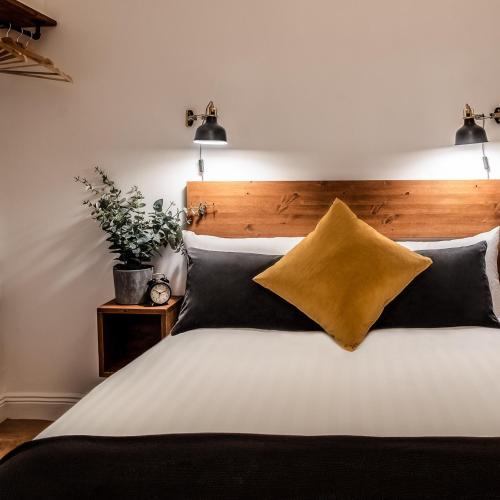
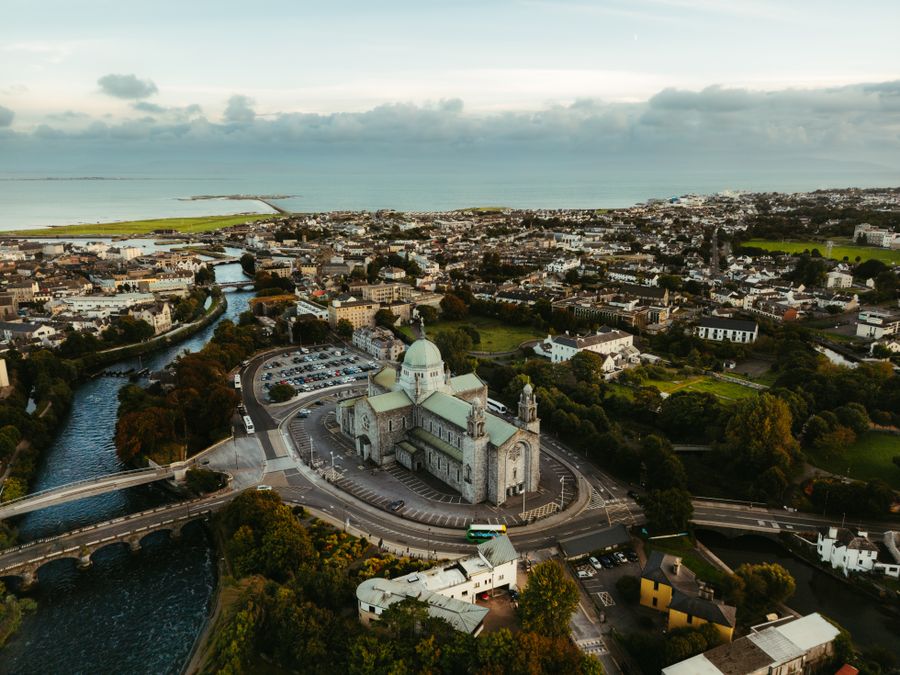
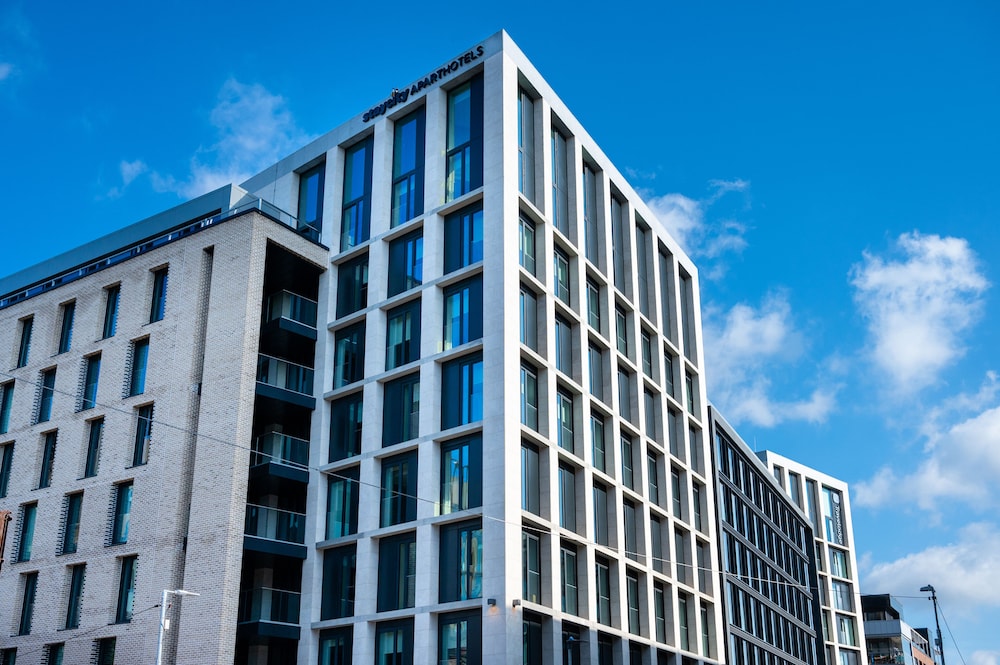
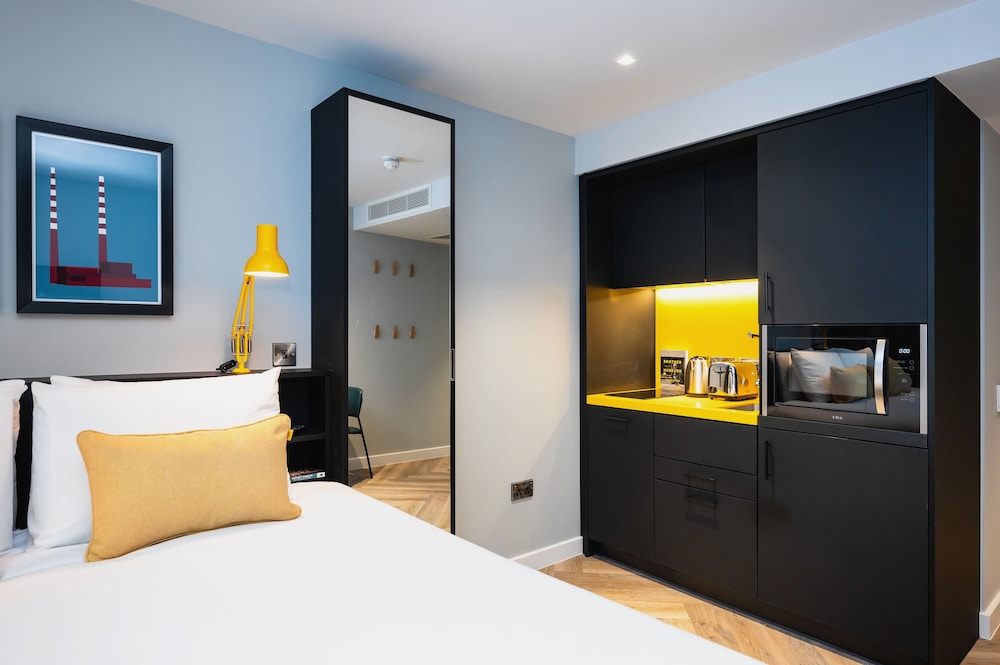
This is where a split trip works well. Camp for the wild stretches and book a hotel for the nights either side of a long drive, or for the last two nights before a flight home. Towns like Galway, Killarney, Westport and Sligo have plenty of hotel choice within walking distance of pubs, restaurants and, in Galway's case, the train and bus stations. Booking a room there removes the pressure of packing a wet tent on the morning of a flight.
Rules, costs and the honest verdict
Campsites operate a leave-no-trace norm: take rubbish away, use designated fire areas only, and keep dogs on leads where asked. Many sites charge per person rather than per pitch, so a family of four pays noticeably more than a couple; ask for the full nightly total including electricity and showers before you commit. Hostels with camping or campervan spaces are a cheaper fallback in towns such as Doolin and Enniskillen.
For a first trip, I would book a hotel for the arrival and departure nights and camp for the middle stretch, basing in Connemara or Kerry rather than trying to loop the whole island. Skip wild camping unless you have local advice and permission, and skip August if you can manage June or September. If the forecast is poor, move inland or take a hotel for a night; Ireland is small enough that a change of plan costs an hour's drive, not a day.