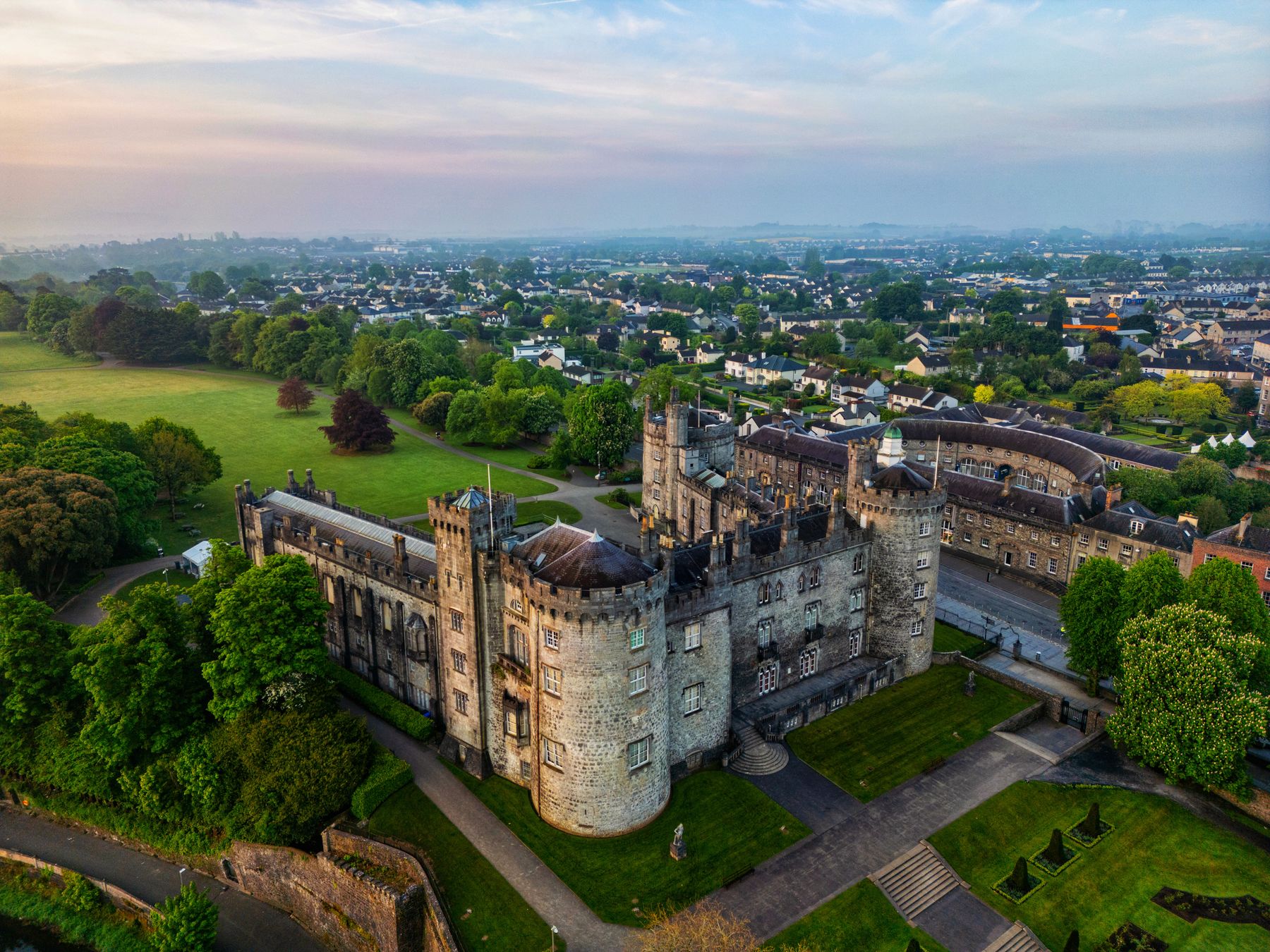
Trim Castle in County Meath is the largest Anglo-Norman castle in Ireland, an hour's drive from Dublin via the M3, and the keep's spiral stairs and roof-level views take about ninety minutes. Admission is a few euro and guided access to the keep runs on timed slots, so arrive before noon in July and August. Combine it with the Hill of Tara, fifteen minutes away, for a full day out of the city.
Castles Within Easy Reach of Dublin
Malahide Castle sits on the coast twenty-five minutes from Dublin city centre by DART train, which makes it the easiest castle day trip in the country. The botanic gardens and Talbot family portrait collection fill two hours; the village's pubs and coastal walk fill the rest. I would book Malahide over Trim if you have no car, and Trim if you do. Skip Dublin Castle's state apartments if time is short: the exterior and chapel matter more than the rooms.
The West: Cong, Kylemore and the Rock of Cashel
Cong Abbey and the ruined walls of Ashford Castle's estate village sit on the Mayo-Galway border, forty-five minutes from Galway city. The estate gardens and woodland walks around Cong are open to visitors and take a half-day; the castle itself is a hotel, so you see the grounds rather than the interiors. Kylemore Abbey in Connemara, an hour and a half from Galway on the N59, pairs a Victorian castle with walled gardens and a Gothic church, and needs three hours minimum.
The Rock of Cashel in County Tipperary is the most dramatic castle-site in Ireland, a limestone outcrop crowned by a round tower and Romanesque chapel. It is two hours from Dublin and one hour from Cork, and an hour on site covers it well. Go early to beat the coach parties, and check opening times outside summer, when the site closes in late afternoon. Cahir Castle, thirty minutes away, is a better-preserved fortification and worth the detour.
Northern and Western Fortresses Worth the Drive
Dunluce Castle clings to sea cliffs on the Causeway Coast, three miles from Portrush and two hours from Belfast. The ruin is atmospheric rather than furnished, and forty-five minutes is enough; pair it with the Giant's Causeway ten minutes away. Further south, Enniskillen Castle in County Fermanagh sits on the Erne and houses a museum, making it a good wet-weather option, while Gosford Castle nearby is a private building you admire from the forest park paths.
In the west, Dunguaire Castle near Kinvara is a small tower house on Galway Bay, twenty-five minutes from Galway city; the exterior is the point, and you can see it in twenty minutes. Derry's walls are a better use of an afternoon than any single castle there, since the city's seventeenth-century ramparts are intact and walkable. If you want one northern castle, make it Dunluce; if you want history indoors, Enniskillen.
Where to Base Yourself
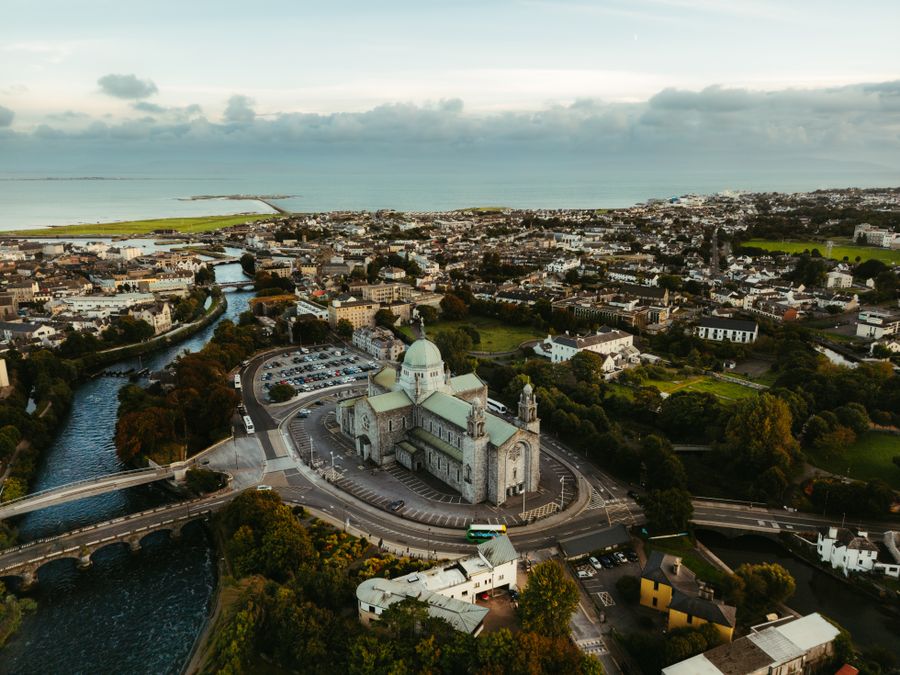
Galway is the strongest base for western castles: Cong, Kylemore, Dunguaire and the Burren are all under two hours, and the city has the widest hotel choice outside Dublin. Cork works for the south, with Cashel, Blarney and Cobh within ninety minutes. Belfast covers Dunluce and the Antrim coast, though you will want a car. Book accommodation in Galway or Cork rather than smaller towns if you plan several day trips, because evening dining and transport options are better.
In Dublin, staying near Connolly or Heuston station saves taxi fares if you plan train-based trips to Malahide, Howth or Maynooth. Summer weekends in Galway and Cork fill quickly, especially June to August, so reserve rooms six to eight weeks ahead; spring and autumn give quieter castles and cheaper accommodation. Winter opening hours at smaller castles such as Dunguaire are limited, so confirm before driving. I would book Galway for a castle-focused week and Dublin for a city break with one or two excursions.