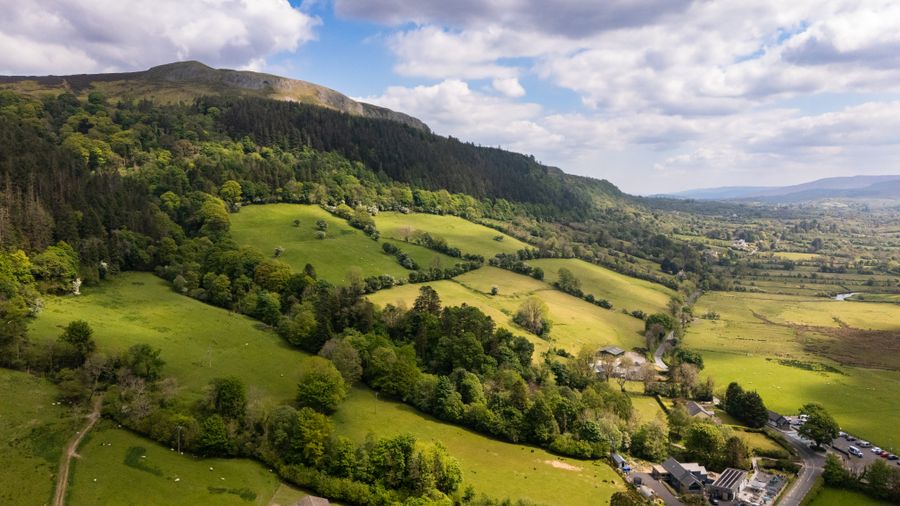
Glendalough sits inside Wicklow Mountains National Park, about 45km south of Dublin city centre, reached via the N11/M11 to Kilmacanogue then the R755 through Roundwood and Laragh. The drive takes roughly an hour outside rush hour, longer on summer weekends when coach tours clog the small car parks. Without a car, the St Kevin's Bus service runs from Dublin's Lower Hatch Street, taking about 90 minutes and dropping passengers right at the visitor centre. Either way, arriving before 10am matters more than almost anything else in planning a good day here.
Getting There and Choosing Your Day
May to September gives the longest daylight for the higher trails, while late September into October adds bracken-gold colour to the Glenealo Valley without summer's crowds. Winter visits can be rewarding and quiet, but the Wicklow Gap road nearby sometimes closes after snow, and the Spinc boardwalk gets slippery with frost. Whatever the season, check that the main car park at the Upper Lake isn't full before committing; a second, larger car park sits near the visitor centre about a kilometre from the monastic site, with a signed walking path linking the two.
Walking the Monastic Site and Lakes
Start at the Glendalough Visitor Centre, run by the OPW, where a small exhibition explains the 6th-century monastery founded by St Kevin before you walk the gravel path to the Round Tower, St Kevin's Church and the roofless cathedral among the gravestones. This loop takes 30 to 45 minutes and suits any fitness level, including buggies in dry weather. From there, the Lower Lake path continues through oak woodland to the Upper Lake, a flat, shaded walk of about 2km each way that most visitors manage inside an hour round trip.
For a longer outing, the white-marked Spinc and Glenealo Valley loop climbs a wooden boardwalk above the Upper Lake to panoramic cliff views, then descends past old lead-mining ruins and the Glenealo River. Allow three to four hours for this roughly 9km circuit, with sturdy boots essential since the boardwalk can be uneven and exposed to wind. A shorter alternative follows the Miners' Road along the lake's south shore to Poulanass Waterfall, a there-and-back option of about 5km that still delivers mountain scenery without the full climb.
Where to Stay for an Early Start
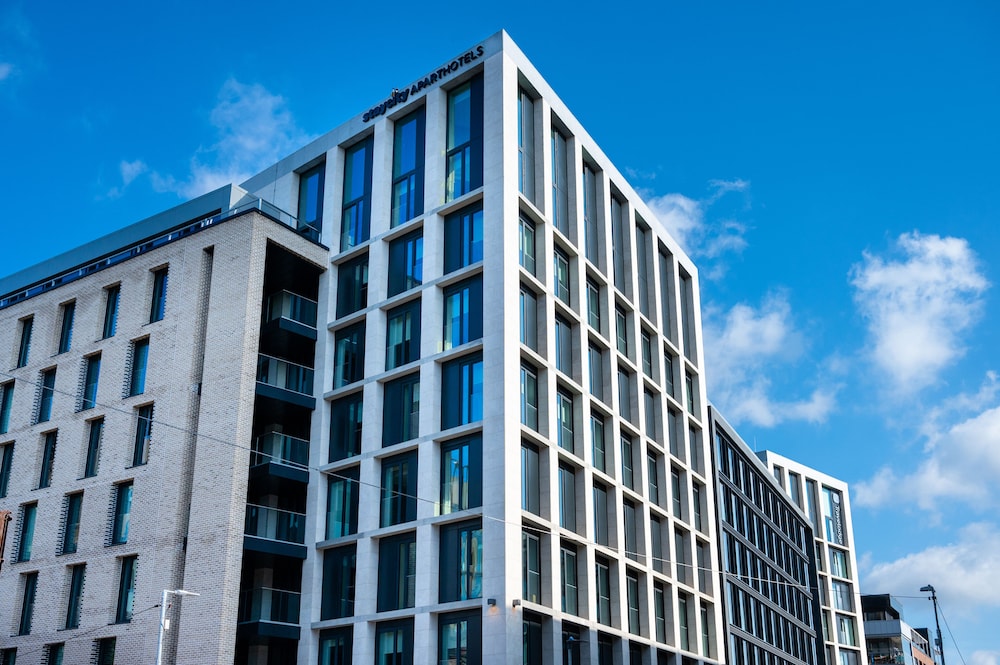
Laragh village, a five-minute walk from the Lower Lake, is the obvious base: staying here means reaching the trailhead before the first tour coaches arrive mid-morning. Roundwood, ten minutes north by car and often described as Ireland's highest village, offers a quieter alternative with its own pubs and a Sunday market, useful if Laragh's small selection is booked out in peak season. Wicklow town on the coast, about 30 minutes away, suits travellers combining the valley with a seaside evening, though it adds driving time back on the R755 after a long walking day.
Booking a night in the valley rather than day-tripping from Dublin changes the experience noticeably, since the site empties out by late afternoon once the coaches leave. It also means you can walk the Spinc loop in cooler morning light and still have energy for dinner at Lynham's or the Wicklow Heather in Laragh without a drive afterwards. If accommodation directly in Laragh is limited on your chosen dates, Roundwood is the better fallback over Wicklow town simply because it keeps the trailhead within a ten-minute drive rather than thirty.
Practical Notes Before You Go
The monastic site and lakeside trails are free to walk, though the OPW car park near the visitor centre charges a parking fee, payable by card at the machine. The visitor centre itself has modest admission for the exhibition, which is worth it mainly on a wet day when the outdoor site loses its appeal. Pack layers regardless of forecast, since the Upper Lake valley sits lower than the exposed Spinc ridge, where wind picks up noticeably even on calm days down at the lake. Mobile signal is patchy along the Glenealo Valley, so download or photograph the trail map beforehand.
Skip driving further over the Wicklow Gap unless you have extra time, since it adds a scenic but slow mountain road rather than shortening your route back toward Dublin. Dogs are welcome on leads along most paths but not inside the monastic site itself. If you only have two or three hours, prioritise the monastic ruins and Lower Lake over rushing the Spinc loop, since a hurried climb in fading light is the most common reason walkers turn back disappointed.