RegisterFind a stay
Ireland's Stone Circles and Standing Stones: A Driving Route Through the Boyne Valley, Burren and Sligo

Nature · Sligo

Ireland'sStoneCirclesandStandingStones:ADrivingRouteThroughtheBoyneValley,BurrenandSligo

A practical loop for travellers who want real megalithic sites, sensible drive times and the right towns to sleep in, from Newgrange to Carrowmore.

Ireland's Stone Circles and Standing Stones: A Driving Route Through the Boyne Valley, Burren and Sligo
Region
Sligo
County
Sligo
Topic
Nature
Reading time
4 min
In this article
4 sections

Collect a car at Dublin Airport and you are on the M1 north within twenty minutes; slip off at Exit 9 for Donore and the Boyne Valley is forty-five minutes from the terminal. Newgrange and Knowth sit in the bend of the river at Brú na Bóinne, with access by shuttle and timed tours from the visitor centre only. Book the Newgrange chamber slot online weeks ahead in July and August, when same-day places vanish by mid-morning. Knowth's kerbstones are arguably richer and the tour is shorter, so pair both rather than choosing one.

Start in the Boyne Valley, an hour from Dublin

Around Slane and Monasterboice, fifteen minutes north, you can walk to the ruined monastic site and its high crosses without a ticket or a queue. The Hill of Slane gives a wide view over the valley and takes twenty minutes up and down. Base yourself in Drogheda for two nights if you want restaurants and a station, or in Navan for cheaper rooms and easy N2 access. Skip trying to see Newgrange as a stop-off en route to Galway; the timed entry makes it a half-day in itself.

West to Sligo and the Carrowmore cluster

From Drogheda the M1 and M50 to the N4 makes Sligo a three-hour drive, or take the N3 through Cavan and save the tolls at the cost of twenty minutes. Carrowmore, signposted off the R292 at Strandhill Road, holds the densest grouping of megalithic tombs in Ireland, with dolmens and boulder circles scattered across farmland under Knocknarea. Parking is small and the gravel path is uneven; wear shoes you do not mind scuffing. Allow ninety minutes, longer if you climb to the cairn on Knocknarea, which adds a steep forty minutes each way.

Sleep in Sligo town rather than Strandhill if you want a choice of an evening meal, and expect room rates to climb sharply during the Fleadh and the August bank holiday. From Sligo, the Carrowkeel passage tombs above Castlebaldwin on the N4 are a further thirty minutes and involve a rough farm track and a twenty-minute walk; the reward is a hillside of cairns with almost nobody there. Skip Carrowmore at midday in high summer if you want photographs without tour groups.

The Burren and its stone fields

Sligo to Ballyvaughan is a two-hour-forty drive via the N17 and Galway, or longer if you detour through Cong. The Burren's limestone pavement between Ballyvaughan, Kilfenora and Carron is studded with wedge tombs and the famous Poulnabrone dolmen on the R480, which has a proper car park and a five-minute walk but coaches at eleven and three. Go at eight in the morning or after six in the evening and you will have the portal tomb to yourself. The light on the grey limestone is best in May and September.

Poulnabrone is the headline, but the Gleninsheen and Ballyallaban tombs nearby see almost no visitors and sit on the same road. The Burren Perfumery near Carron does decent soup and is a sensible lunch stop; the roads are single-track in places, so keep speeds low and watch for sheep. Base in Ballyvaughan for scenery or Ennis for value, thirty-five minutes away with a rail station. Book Ballyvaughan rooms early for June; there are barely a hundred beds in the village.

Loop home via the Shannon and the midlands

Ballyvaughan to Dublin is a three-hour run on the M18 past Ennis and the M7 from Limerick, or you can break it at the Rock of Cashel if you have the time. A more rewarding detour for stone hunters is the Piper's Stones near Athgreany in west Wicklow, an off-the-main-road circle of granite boulders with a standing stone beside it, reached by a short lane walk off the N81 near Hollywood. There is no visitor centre, no fee and no signage of any use, so take a map.

If you are flying out of Shannon instead, the loop closes neatly: Sligo to Shannon is three hours via the N17, and you avoid the Dublin motorway entirely. Book the final night in Limerick or Ennis rather than driving to Dublin in the dark. One-way hire between the two airports is worth the fee on a five-day trip. Skip the Cliffs of Moher in July afternoon traffic unless you are staying in Doolin; the drive adds two hours to a day that already includes a flight.

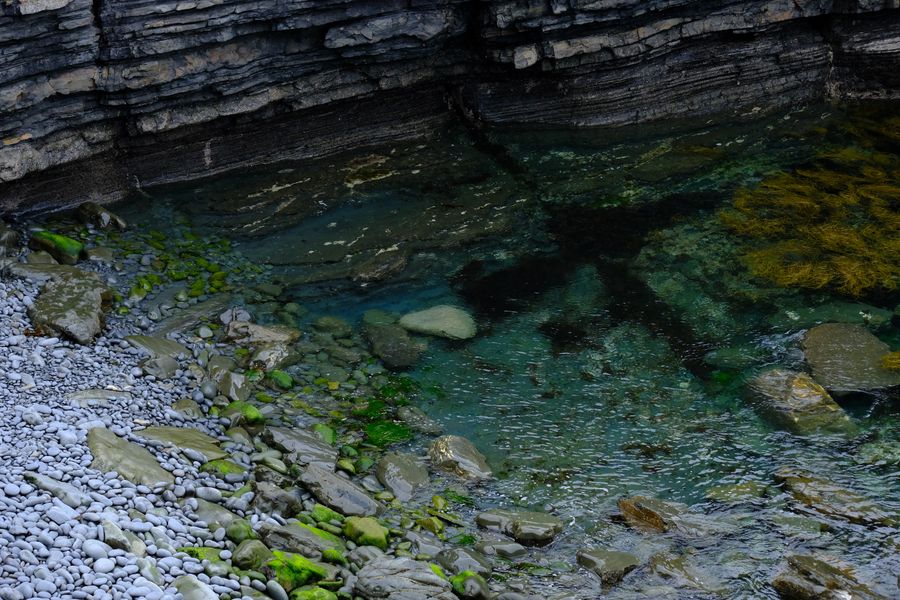
A rocky pool in a cove in County Clare, Ireland with clear water and stone formations

A practical loop for travellers who want real megalithic sites, sensible drive times and…

County Sligo

Eolas · Good to knowIn this article.

01

Start in the Boyne Valley, an hour from Dublin

Around Slane and Monasterboice, fifteen minutes north, you can walk to the ruined monastic site and its high crosses without a ticket or a queue.

02

West to Sligo and the Carrowmore cluster

From Drogheda the M1 and M50 to the N4 makes Sligo a three-hour drive, or take the N3 through Cavan and save the tolls at the cost of twenty minutes.

03

The Burren and its stone fields

Sligo to Ballyvaughan is a two-hour-forty drive via the N17 and Galway, or longer if you detour through Cong.

04

Loop home via the Shannon and the midlands

Ballyvaughan to Dublin is a three-hour run on the M18 past Ennis and the M7 from Limerick, or you can break it at the Rock of Cashel if you have the time.

Ceisteanna · QuestionsAsked often.

Do I need a car to see Ireland's stone circles? +

For Carrowmore, Carrowkeel and the Burren tombs, yes. Public transport reaches Sligo and Ennis but not the sites themselves. Hire from Dublin or Shannon and allow five to six days for this loop; anything shorter means long drives and rushed visits.

When is the best month to visit Newgrange and the Burren? +

May, June and September give long evenings, manageable coach traffic and dry-ish weather. July and August bring the crowds and the highest room rates, particularly in Sligo and Ballyvaughan. Winter access at Newgrange is by lottery only for the solstice, well in advance.

How far in advance should I book Newgrange? +

Two to three weeks ahead in shoulder season, six to eight weeks for July and August. Tickets are timed and sold online through the Brú na Bóinne visitor centre; there is no walk-up admission to the chamber. Knowth is usually easier to get into at short notice.

Is Carrowmore worth the trip from Sligo town? +

Yes. It is a ten-minute drive or a short taxi from Sligo, and the density of tombs in one field is unlike anywhere else in Ireland. Entry is charged and the site closes in the late afternoon, so go early. Allow ninety minutes including the walk to Knocknarea cairn.

Where should I stay for the Burren? +

Ballyvaughan for scenery and short drives to Poulnabrone, Ennis for value and a rail link. Ballyvaughan has limited beds, so book two to three months out for June and July. Ennis is a thirty-five-minute drive from the dolmen and has far more restaurants.

Can I visit Carrowkeel without a guide? +

Yes. Turn off the N4 at Castlebaldwin, follow the signed lane, park at the gate and walk up the track for about twenty minutes. The ground is rough and often wet; bring boots. There are no facilities, no lighting and no staff on site.

How long does the full loop take? +

Five days minimum for Dublin to Sligo, the Burren and back. Seven days lets you add Wicklow and Cashel without driving after dark. Hiring one-way into Shannon saves three hours on the final day and usually costs less than the extra hotel night in Dublin.

What should I skip on this route? +

The Cliffs of Moher between eleven and four in July, and any attempt to combine Newgrange with a Galway transfer. Also skip the guided coach tours of Carrowmore if you have a car; the site is small and self-guided entry is straightforward.

Keep exploring.

Related articles

Where to stay

Hotels to consider

See all hotels

Related articles

Where to stay

Hotels to consider

See all hotels
Lóistín · Where to stayWhere to stay in Sligo.150 stays in the Sligo region, each with its own page: photos, location and guest reviews.
Hotels in Sligo

Check before you go: Fáilte Ireland, Comhaltas Ceoltóirí Éireann, Transport for Ireland.