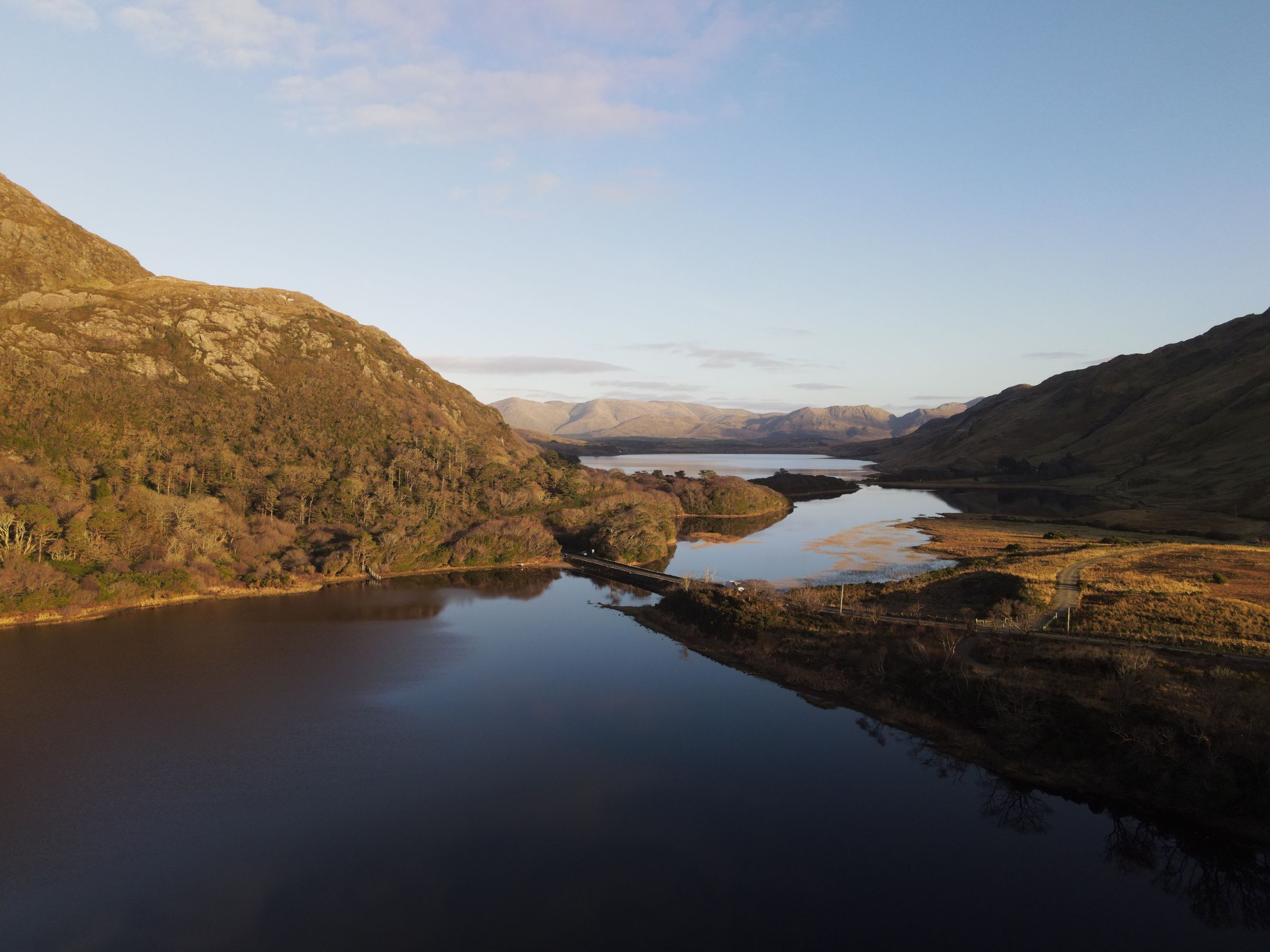
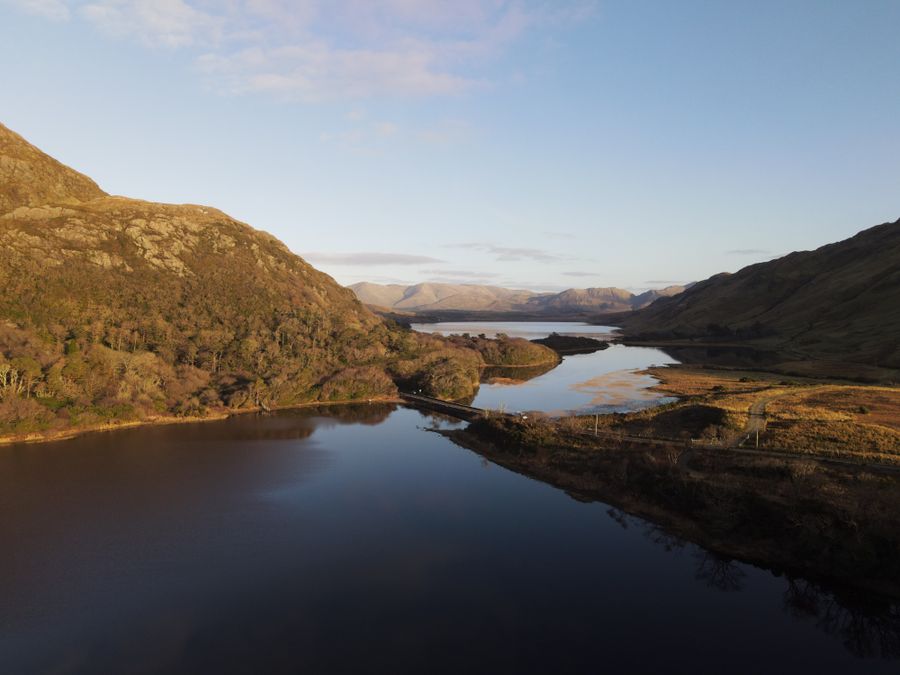
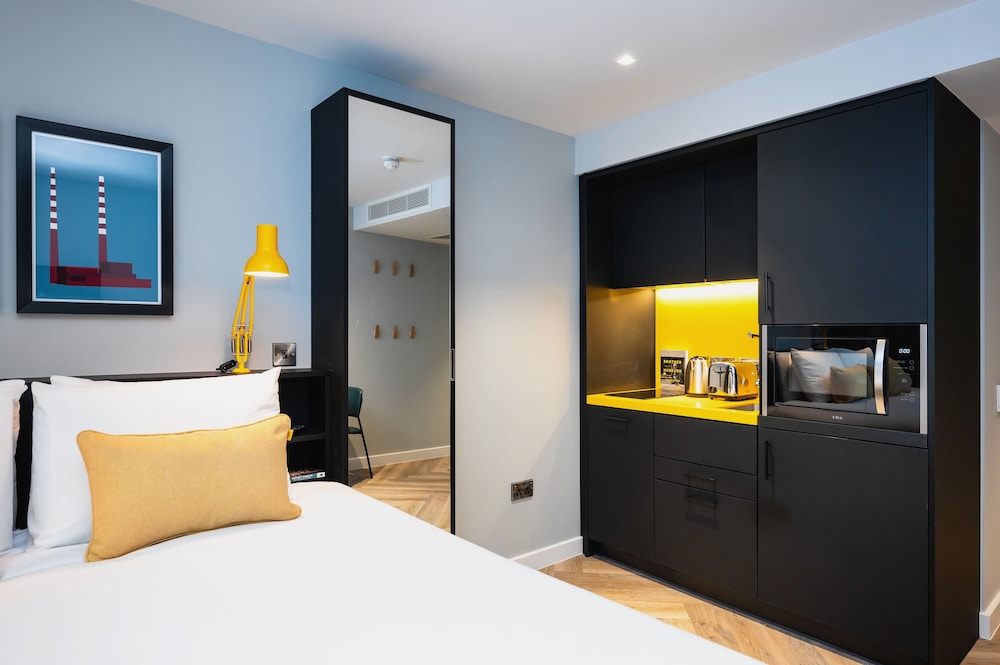
Self-catering in Ireland usually means a cottage, a converted barn or a small apartment attached to a farmhouse, booked by the week from Saturday to Saturday. The practical question is distance to a shop. In Connemara, a house near Clifden puts you ten minutes from SuperValu and a decent choice of pubs, while a cottage out towards Letterfrack or Cleggan could mean a 20 to 30 minute drive for milk. Around Kenmare in County Kerry the same rule applies: the town has everything, but the roads to Tuosist and Kilgarvan are slow and winding after dark.
Choosing the right base
Look at the access road before you book. A lane marked on a map as a minor road may be a single-track with grass down the middle, fine in a compact car in June and less pleasant in a hired people-carrier in November. Check whether parking is off-road, whether the house has central heating included or charged separately, and whether bed linen and towels are part of the rate. Many Irish cottage lets charge for electricity by meter reading at the end of the stay; ask before you arrive so the final morning is not a surprise.
Stocking the kitchen without wasting a day
Arrive with the first night covered. If you land at Dublin and drive west, stop at a supermarket on the way out rather than pushing on — the M6 services near Athlone or a SuperValu in Mullingar will do. Fly into Shannon and you are within 40 minutes of Ennis, which has Tesco, Dunnes and Aldi. In smaller towns, SuperValu and Centra carry a good range of Irish dairy, bread and meat, and most towns of any size now have a farmers' market once a week — Bantry on Fridays, Bantry's neighbours in Skibbereen on Saturdays, Westport on Thursdays.
A week's cooking in a rental kitchen is mostly about equipment, not ambition. Irish self-catering cottages vary widely: some have a full oven, dishwasher and decent knives, others have two rings and a kettle. Read the listing for an oven and a fridge-freezer, and count the beds against the people. If you plan to eat out half the time, remember rural kitchens close early — many country pubs stop serving food at 8.30pm or 9pm, and on a Sunday the kitchen may shut at 7pm. Book a table for the first night if you are arriving late.
Driving, distances and the weather you should plan for
Rural Ireland rewards a car and punishes an over-ambitious itinerary. Distances look short but average speeds are low: west Cork from Bantry to Mizen Head is roughly 50 kilometres and takes over an hour. From a base near Westport, the drive to Achill Island is about 60 kilometres, an hour and a quarter on the N59 and R319. Build in one main outing a day and keep the rest local. Petrol stations thin out in Connemara, north Mayo and the Beara Peninsula, so fill up when you pass one rather than assuming the next village has a pump.
Weather decides more than any guidebook admits. The west gets the rain; the south-east — counties Wexford and Waterford — is drier and sunnier, which matters if you want beach days with children. May, June and September are the sweet spot: long evenings, manageable crowds, and holiday cottages still available outside school holidays. July and August are busiest and priced highest in Kenmare, Dingle and westport. November to February, many rural lets close entirely or offer short breaks rather than full weeks; check before planning a winter stay. Bring midge repellent for the west in still, damp weather from June to August.
What to book and what to skip
For a first self-catering week, I would book a cottage within ten minutes' drive of a town with a supermarket and at least two pubs serving food — Westport, Kenmare, Clonakilty, Dingle or Carlingford all fit. That balance gives you independence without isolation, and it means a rainy Tuesday does not become a 45-minute round trip for bread. If you are travelling without a car, skip rural self-catering entirely and take a hotel or guesthouse in a town; the bus network, while improving, will not support a week of cottage life in the countryside.
Skip the temptation to cover three counties in seven days. Pick one region — Connemara and Mayo, or west Cork and Kerry — and go deep. Also skip the holiday-home complexes that photograph beautifully but sit on a main road with no walking from the door. Read recent reviews for mentions of heating, water pressure and Wi-Fi, which is often weak outside towns. If the listing is vague about broadband, assume it is patchy and download what you need. A hotel in a town such as Westport or Kenmare is the safer choice for a short break, particularly in winter.